
If you are considering a second home near Dale Hollow, start with the setting before comparing floor plans. The Preserve at Dale Hollow offers architect-designed modern vacation homes on 520 acres of wooded ridgeland in Celina, about nine minutes from the lake. Explore The Preserve home models as you think through privacy, recreation access, and how much space your ownership plans require.
Dale Hollow Lake State Park is a specific Kentucky state resort park with lodge rooms, cabins, a restaurant, and golf. It is part of a much larger Tennessee-Kentucky lake region, where boating, fishing, hiking, camping, and wildlife viewing shape the experience. Understanding that distinction helps buyers evaluate a home base based on real access and lifestyle, not just a destination name.
The most useful next step is to separate the park itself from the broader reservoir, nearby communities, and the property choices around them. That perspective makes it easier to understand what a visit can tell you, what it cannot, and which questions deserve answers before you tour or buy.
What Is Dale Hollow Lake State Park, Exactly?
The name can point to more than one place, which matters when you are planning a visit or considering a home base. The Preserve at Dale Hollow is in Celina, Tennessee, while Dale Hollow Lake State Resort Park is a specific Kentucky destination. The lake itself is a much larger recreation area spanning the Tennessee-Kentucky state line.
Dale Hollow Lake State Resort Park is operated as a Kentucky state resort park near the lake. The official Kentucky State Parks listing describes a destination with lodge rooms, cabins, a restaurant, and golf, overlooking the large reservoir. In other words, it is a named park and lodging destination, not the name for every shoreline community or access point around Dale Hollow Lake. See the Kentucky State Parks description for current park details.
Dale Hollow Lake is the broader body of water and federal recreation area. Recreation.gov lists approximately 27,700 surface acres and 620 miles of shoreline, with activities that include boating, fishing, hiking, camping, and wildlife viewing. The U.S. Army Corps of Engineers Nashville District operates the dam, powerplant, and reservoir. The lake is therefore a regional outdoor setting with multiple campgrounds, ramps, trails, and other destinations, rather than a single park entrance.
Celina, Tennessee is the Tennessee-side community most often associated with the lake. Recreation.gov identifies Dale Hollow Lake as being near Celina, and the dam sits on the Obey River about three miles east of town. That geography helps explain why a search for the state park may return Tennessee businesses, Kentucky park information, lake recreation listings, and nearby lodging together.
For a buyer. The practical distinction is simple: a stay at the Kentucky resort park is different from owning or staying in a private home near the Tennessee side of the lake. The Preserve is approximately nine minutes from Dale Hollow Lake in Celina, on 520 acres of wooded ridgeland. It is near the recreation area, not directly lakefront, and is positioned as a private vacation-home community rather than as part of the Kentucky state park. That difference is useful to clarify before comparing access, privacy, services, or ownership options.
How Does the Lake and Park Geography Affect Ownership?
Geography matters because Dale Hollow is not one compact attraction with one entrance. The lake borders Tennessee and Kentucky, while the Kentucky state resort park is one distinct destination within a much larger recreation area. For a future homeowner, the useful question is not simply whether a property is “near the lake.” It is how the property connects to the places. Roads, ramps, and services your household will actually use.
Dale Hollow Lake covers about 27,700 surface acres and has roughly 620 miles of shoreline, according to Recreation.gov. That scale creates variety, but it also makes distance more meaningful than a map pin suggests. A home that is convenient for one marina, trail, or swimming area may be less convenient for another. Before choosing a property, ask which access point fits your preferred activities, whether the route is practical for guests. And how the drive feels during the seasons when you expect to visit most.
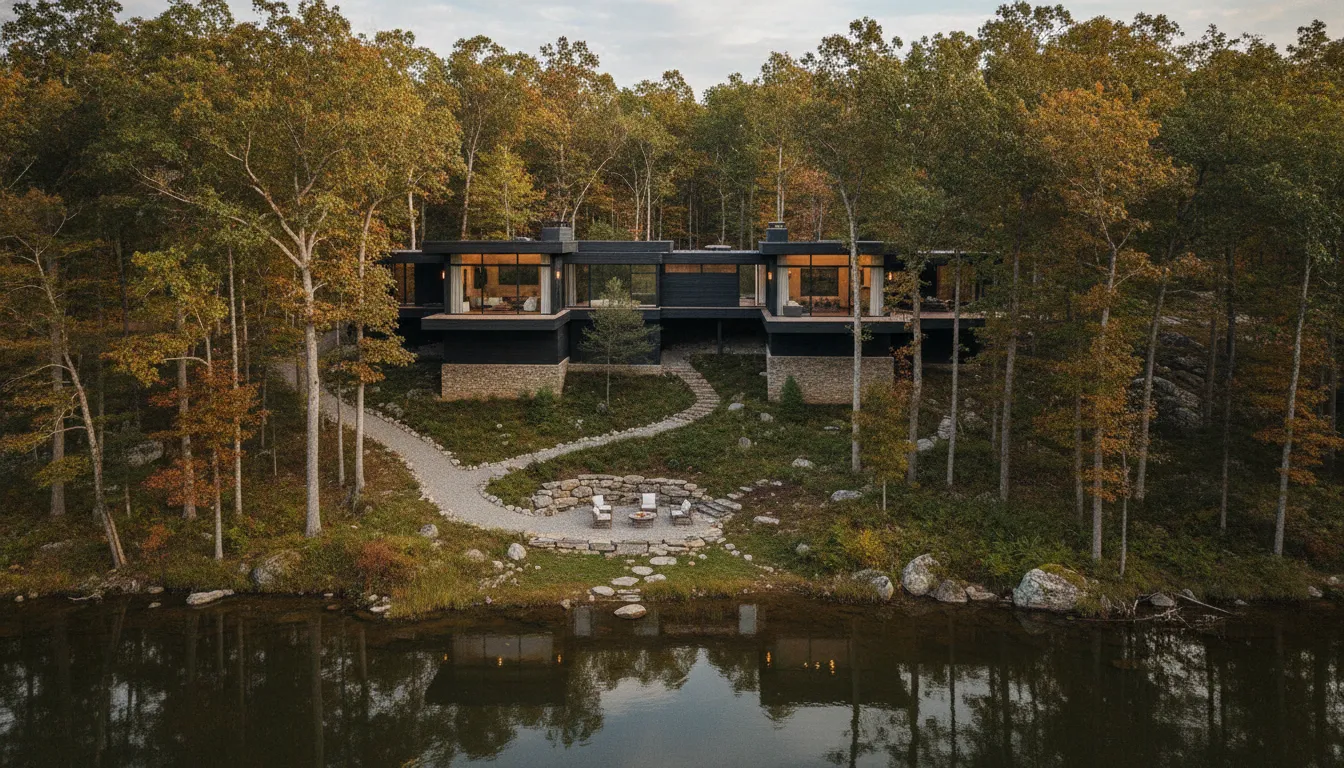
Which side of the lake fits your routine?
Celina is a useful reference point for understanding the Tennessee side. Dale Hollow Dam is on the Obey River about three miles east of Celina, and Recreation.gov identifies the lake as being near the community. From there, buyers can compare everyday convenience with the setting they want. Consider the drive to groceries, fuel, boat storage, medical services, and dining, not only the distance to the water. If friends or family will visit, ask whether the approach is easy to explain and comfortable after dark.
Access points also shape how much of the destination is realistically available to you. Lillydale, for example, has two boat ramps, two swimming beaches, and a 7.5-mile one-way trail. The broader lake area includes six campgrounds and supports boating, fishing, hiking, camping, and wildlife viewing. These facts do not promise a particular view or travel time from any home. They do show why a buyer should identify a short list of recurring activities, then compare routes instead of relying on the phrase lake access.
What should you verify before making a decision?
Ask for the actual driving routes to the recreation areas you plan to use. And confirm road conditions, parking arrangements, launch availability, and seasonal operating details directly with the relevant authority. Also distinguish the Kentucky state resort park from the wider lake and park network. A property can be close to the lake experience without being inside the resort park itself. To understand the local context around a potential home base, explore the surrounding area before you compare lots or home plans.
What Can Homeowners Do Near Dale Hollow Lake State Park?
For homeowners, the value of living near Dale Hollow is not one standout attraction. It is the ability to build different kinds of days around the lake, the park, and the surrounding woods. Boating might shape summer weekends, while fishing, hiking, wildlife viewing, golf, and quieter off-season visits give the area year-round usefulness. The question is less about checking every activity off a list and more about whether the setting supports the way your household actually wants to use a second home.
Dale Hollow Lake is a substantial recreation landscape, with about 27,700 surface acres and 620 miles of shoreline. Federal recreation information lists boating, fishing, hiking, camping, and wildlife viewing among the area’s activities. That scale gives homeowners options: a family can choose a swimming beach or campground for an easy group outing. Launch a boat from a convenient ramp, or find a less structured day on the water. See what you can do around Dale Hollow Lake before deciding which access points and routines matter most to you.
Fishing is not limited to a single season or one type of trip. Recreation.gov identifies a federal trout hatchery associated with Dale Hollow that produces 1.5 million trout annually and is open to visitors daily. Families may pair a fishing outing with a short nature stop, while more experienced anglers can plan around water conditions, regulations, and the species they want to pursue. Those practical details are worth checking before each visit, since access, hours, and rules can change.
Hiking and wildlife viewing add a land-based rhythm to lake ownership. At Lillydale, the U.S. Army Corps of Engineers notes two boat ramps, two swimming beaches, and a 7.5-mile one-way trail. Camping is another option, with Recreation.gov listing six campgrounds across the lake area. A homeowner can use those places for a planned family outing or simply keep them in reserve for visiting guests who want a more traditional outdoor experience.
The Kentucky state resort park adds a different kind of recreation, including lodge accommodations, cabins, a restaurant, and golf. Together, these options make seasonal planning more flexible. Summer may center on water activities, spring and fall can favor hiking and wildlife. And golf or scenic drives can keep shorter visits worthwhile when the lake is not the main event.
That is the distinction between a convenient home base and a generic visitor itinerary. The Preserve, in Celina, is about nine minutes from Dale Hollow Lake and combines a wooded setting with access to outdoor recreation. Buyers should still verify routes, ramp availability, seasonal conditions, and current park rules, then decide whether the location supports their preferred pattern of use.
Which Property Factors Matter Beyond the View?
A memorable view can start a property search, but it should not finish your due diligence. Before comparing homes near Dale Hollow Lake State Park and the broader lake region. Evaluate how the property will function on an ordinary arrival, a busy holiday weekend, and a quiet off-season stay.
Start with access and the lot itself
Ask how you will reach the property in different weather, whether roads are paved and maintained, and where guests, boats, trailers, and service vehicles can safely park. Then study the lot setting rather than relying on listing photos. A wooded ridge, an open clearing, and a steep slope each create different expectations for privacy, outdoor use, drainage, and maintenance. Confirm the actual boundaries, easements, construction limits, and any site-work responsibilities before treating a view or tree line as permanent.
The Preserve at Dale Hollow is a useful example of a different value proposition from direct lakefront ownership. It is located in Celina, Tennessee, on 520 acres of wooded ridgeland, approximately nine minutes from Dale Hollow Lake. That setting may appeal to buyers who want lake access with a more private, forested home base, but travel time can vary by route and destination. It is still important to verify the specific lot, road, and access details for the home you are considering.
Confirm utilities, connectivity, and community rules
Utilities deserve the same attention as scenery. Ask how water, wastewater, electricity, trash service, and emergency access are provided, and whether connection or maintenance costs are the owner’s responsibility. If you expect to work remotely or stream during longer stays, verify internet availability at the specific property rather than assuming that a nearby service area guarantees performance. The Preserve describes fiber-optic internet availability, but buyers should confirm current service details and installation terms.
Finally, read the governing documents before making an offer. Confirm HOA rules, zoning, short-term rental policies, insurance requirements, exterior standards, and restrictions affecting decks, parking, pets, or future improvements. Check the distance to groceries, healthcare, hardware, dining, and other services you will actually use. A practical next step is to review available community lots while asking for current documents, availability, pricing, and ownership logistics. The strongest property decision balances scenery with roads, services, privacy, connectivity, and rules you can live with.
How Should You Compare a Park Visit With a Home Base?
A stay at Dale Hollow Lake State Resort Park and ownership of a private home base serve different purposes. The Kentucky state resort park offers lodge rooms, cabins, a restaurant, and golf, making it a practical choice for a defined getaway. The broader Dale Hollow Lake area also supports boating, fishing, hiking, camping, and wildlife viewing across a large public recreation setting. A private home changes the decision from booking a visit to planning how you want to use the area over time.
| Consideration | Park or short-term lodging | Private home base |
|---|---|---|
| Control | You select dates, room types, and available lodging for each trip. | You control when you visit, subject to ownership responsibilities and any community rules. |
| Trip planning | Each visit requires a new reservation and coordination around availability. | Your home is a consistent base for lake weekends, holidays, or longer stays. |
| Privacy | Privacy depends on the lodging format, location, and how busy the destination is. | A private property can provide a more consistent personal setting, although the lot and community design still matter. |
| Maintenance | Routine property maintenance is generally handled by the lodging operator. | You must understand maintenance, utilities, insurance, roads, and any shared-property obligations before buying. |
| Access | You can choose lodging near the activity or amenity that fits a particular trip. | You return to one location and should evaluate its drive times to ramps, trails, services, and the lake. |
| Personal use | Your experience is shaped by the room or cabin and the dates reserved. | You can furnish and organize the home around your own recreation, family routines, and future plans. |
| Rental considerations | You pay for a stay without taking on ownership or rental-management decisions. | If rental use is part of your plan, verify zoning, HOA rules, insurance, local requirements, management, and current costs before assuming it is allowed or profitable. |
The right choice depends on whether you want occasional access or an owned place that supports repeat use. The Preserve at Dale Hollow is one example of the latter: it is in Celina. Tennessee, on wooded ridgeland approximately nine minutes from the lake, rather than directly lakefront. Its ownership model is intended to combine personal recreation with possible short-term rental use, but buyers should verify current community rules and obligations during due diligence. Explore The Preserve home models only after defining how often you expect to visit and what level of responsibility fits your plans.
Is a Home Near Dale Hollow Lake Right for Your Ownership Goals?
The right question is not whether Dale Hollow Lake is attractive. It is whether the setting supports how you expect to use a home. A property near the lake may work well for regular recreation, occasional family stays, a future transition into a quieter lifestyle, or a carefully researched rental strategy. Those are different ownership goals, and each deserves a different test.
For personal recreation and second-home use
If you plan to fish, boat, hike, or simply spend more weekends outdoors, look at access and livability together. Dale Hollow Lake spans the Tennessee-Kentucky border. And its scale means that a home described as “near the lake” may not be close to every ramp, trail, or destination you want to use. Visit the routes at the times you expect to travel, and consider storage, cleaning, internet, maintenance, and the amount of home you will actually use.
A second home can be most valuable when it fits your real schedule rather than an imagined one. A smaller, manageable home may suit couples who want a peaceful escape, while a larger layout may better support children, guests, or shared family weekends. Privacy, outdoor space, and reliable access may matter as much as a water view.
For a retirement transition
For pre-retirees and retirees, evaluate the area as an everyday setting, not only as a vacation backdrop. Ask how close you want to be to groceries, healthcare, services, and community activities. Confirm road conditions, utilities, internet availability, insurance requirements, and the practical responsibilities of owning a home in a wooded environment. A future transition home should be comfortable during quieter seasons as well as peak lake months.
For rental support
Rental potential should be treated as a possibility to investigate, never as a promised return. Before buying, verify current short-term-rental rules, zoning, HOA requirements, insurance, taxes, operating costs, local management options, and comparable demand. Review realistic occupancy assumptions independently. A home that works beautifully for personal use may not be the best rental, and a rental-oriented purchase can reduce the dates available for your own stays.
The Preserve at Dale Hollow is one local ownership option to evaluate after clarifying those priorities. The community offers modern vacation homes on 520 wooded acres in Celina, Clay County, Tennessee, approximately nine minutes from Dale Hollow Lake. Its flexible ownership model is positioned for personal recreation, second-home use, and potential short-term rental support, while its home models are designed for different household sizes. Explore The Preserve home models, then confirm current availability, rules, costs, and fit before making a decision.
What Should You Ask Before Touring or Buying?
A productive tour should help you test the fit between a destination and your ownership plans. Before you arrive, write down the questions below and ask for current, property-specific answers rather than relying on a general description of the Dale Hollow area.
- Which destination am I actually planning around? Confirm whether your plans center on Dale Hollow Lake, Dale Hollow Lake State Resort Park in Kentucky, a particular campground, a boat ramp, or another attraction. The lake crosses the Tennessee-Kentucky state line, while the dam is near Celina, Tennessee, so “near Dale Hollow” can describe more than one route or destination. Verify the destination on the official recreation listing.
- What is the practical route from the home to that destination? Drive the route at the time you expect to travel. Ask which roads are paved, how winter or heavy rain may affect access, and whether the stated travel time changes depending on the ramp, marina, park, or trailhead. The Preserve is approximately nine minutes from Dale Hollow Lake, but the exact trip varies by endpoint and route.
- Which utilities and internet services are confirmed for this lot and home? Ask how water, wastewater, electricity, trash service, and internet are delivered. Confirm fiber availability for the specific homesite, not simply the broader community, and ask who handles installation, outages, and ongoing service questions.
- How will the lot feel in every season? Look beyond the view. Ask about wooded privacy, grading, drainage, neighboring homes, sun exposure, outdoor living areas, and how much of the surrounding landscape is expected to remain undeveloped. A site plan and a walk around the lot can reveal details photographs miss.
- What community rules affect how I use the property? Request the current association documents and confirm rules for exterior changes, pets, parking, guests, quiet hours, boats, and shared roads. If rental use matters, ask specifically whether short-term rentals are permitted and what conditions apply.
- What maintenance should I budget for? Clarify what the owner handles, what the community maintains, and what services are available locally. Ask about road care, landscaping, exterior materials, decks, utilities, pest control, and emergency contacts.
- When will my household actually use the home? Map likely weekends, holidays, school breaks, fishing seasons, and longer stays. Then ask whether the layout, storage, bedrooms, connectivity, and drive time support that calendar without requiring you to compromise the experience you want.
- What is my rental plan, if any? Separate personal-use goals from projected rental potential. Ask about current policies, management options, insurance, taxes, cleaning, furnishing, and realistic operating responsibilities. Do not treat occupancy or returns as guaranteed.
Bring the answers, documents, and a simple use calendar to your tour. That preparation makes it easier to compare homesites thoughtfully and decide whether the setting supports the way you genuinely plan to live.
Frequently Asked Questions
Can you swim in Dale Hollow Lake?
Yes. Swimming is available at designated beaches around the lake, including two swimming beaches at Lillydale, according to the U.S. Army Corps of Engineers. Check current conditions, operating details, and local safety guidance before visiting.
Does Dale Hollow Lake State Park have a restaurant?
Yes. Dale Hollow Lake State Resort Park in Kentucky includes a lodge restaurant, along with lodge rooms, cabins, and golf. It is a specific resort-park destination near Burkesville, not the name for every recreation area around the lake. Confirm current hours and seasonal service with Kentucky State Parks.
What town is close to Dale Hollow Lake?
Celina, Tennessee, is the primary nearby town on the Tennessee side. Recreation.gov places Dale Hollow Lake near Celina, and the dam is about three miles east of town. The lake also reaches into Kentucky, so the best town depends on the park entrance, ramp, or community you plan to use.
What should buyers verify before choosing a home near the lake?
Verify the exact route to your preferred ramp or park area. Review utilities, road access, insurance, community or HOA rules, zoning, short-term rental requirements, and current pricing. The Preserve at Dale Hollow is in Celina on wooded ridgeland about nine minutes from the lake. It is not directly on the shoreline, so confirm the travel time for the destination that matters most to you.
Ready to Explore Your Dale Hollow Home Base?
A clearer sense of the park, lake access, and your intended use can make a property conversation more productive. Explore the models, compare settings, and bring your questions about personal use, rental potential, or planning a tour. Contact The Preserve at Dale Hollow to discuss the setting that fits your goals and the next steps for seeing the community in person.