
Vacation Homes Eastern Tennessee: Modern Lake Retreats
Vacation homes in Eastern Tennessee can turn a weekend near the water into a more personal, repeatable escape. The Preserve at Dale Hollow brings that idea to life on 520 wooded acres in Celina, Tennessee, with modern architect-designed homes just nine minutes from Dale Hollow Lake. The community pairs nature, thoughtful design, and the flexibility to enjoy a home personally or explore rental use.
Explore the available home models.
For travelers and prospective owners comparing vacation homes eastern tennessee, the strongest options balance lake access, privacy, layout, comfort, and practical ownership details. The Preserve adds floor-to-ceiling windows, private rooftop decks, and elevated modern architecture. These features give guests a place that feels like part of the destination rather than a generic place to sleep.
The right choice depends on how you want to use the home, how much space you need, and which features will make returning feel worthwhile. Use this guide to compare the setting, home design, recreation, connectivity, and personal or rental considerations before you book a stay or ask about ownership.
Why Are Vacation Homes in Eastern Tennessee Appealing?
Vacation homes in Eastern Tennessee appeal to people who want lake recreation, wooded scenery, and a slower pace without giving up modern comfort. The region works for short getaways, family time, outdoor weekends, and longer stays when the home includes the layout and connectivity needed for everyday life.
Eastern Tennessee offers a useful combination of natural scenery and activities. Dale Hollow Lake gives visitors a reason to spend time on the water, while the surrounding hills and woodland create room for walking, wildlife viewing, quiet mornings, and stargazing. That variety matters because not every guest wants the same kind of vacation every day.
A strong vacation home supports both the planned highlight and the unplanned pause. One day may center on boating or fishing. Another may be a slow breakfast, a walk through the property, or an evening outdoors. When the home itself feels comfortable, the trip does not depend on a packed itinerary.
Location should be evaluated as a balance, not as a single distance measurement. The Preserve is nine minutes from Dale Hollow Lake, placing lake activities within an easy drive while keeping the homes within a private, wooded community. Buyers and guests can consider how that setting fits their priorities: access to the lake, room to unwind, privacy between stays, and a practical route from home.
What should you look for in the surrounding setting?
Start with the experiences you expect to repeat. If the lake is central to your plans, verify drive time to the activities and access points you will actually use. If the home is also meant for rest or remote work, pay attention to the landscape, outdoor areas, internet availability, and how well the home separates active and quiet spaces.
It is also worth asking whether the setting will appeal to everyone who may use the home. Couples may prioritize a private view and outdoor living. Families may need flexible sleeping arrangements and a comfortable gathering space. Guests who stay for several days may value a kitchen, work area, and reliable connection as much as proximity to the water.
How Can Vacation Homes in Eastern Tennessee Fit Different Getaways?
The best vacation home starts with the way you plan to use it. Compare the number of guests, expected visit length, outdoor priorities, work needs, and potential rental use before choosing a floor plan. A home that fits your real routine will serve a getaway better than one selected by square footage alone.
There is no universal definition of the right vacation home. A couple planning quiet lake weekends may want an efficient one-bedroom layout. A family or group of friends may need two or three bedrooms, more gathering space, and an outdoor area designed for shared meals. Someone considering a personal retreat plus short-term rental use may weigh durability, guest appeal, and operating responsibilities differently.
| Priority | Questions to ask | Why it matters |
|---|---|---|
| Setting | How close is the home to the lake and nearby activities? | Access shapes how easily you can use the region during a short stay. |
| Layout | Does the floor plan fit your household and likely guests? | The right scale supports comfort without adding space you will not use. |
| Outdoor living | Will the deck or rooftop area support the way you relax? | Outdoor space can become part of the daily experience, not just a visual feature. |
| Connectivity | Can the home support remote work or connected guests? | Reliable internet gives owners more flexibility for longer visits. |
| Use | Will you visit personally, rent, or do both? | Your plan affects furnishing, management, policies, and financial review. |
The Preserve offers three model sizes designed for different needs: a 640-square-foot one-bedroom home, a 1,160-square-foot two-bedroom home, and a 1,600-square-foot three-bedroom home. The practical comparison is not simply small, medium, or large. Consider who will sleep there, how guests will gather, whether you need a workspace, and how much room you want for outdoor living.
Floor-to-ceiling windows are another design consideration. They can make a compact home feel more connected to the wooded setting and bring natural light into the living area. Private rooftop decks extend that relationship outdoors, creating a place to take in valley and forest views, share a meal, or start the day quietly.
What Sets The Preserve at Dale Hollow Apart?
The Preserve at Dale Hollow stands apart through its 520-acre wooded setting, nine-minute proximity to Dale Hollow Lake, architect-designed homes, floor-to-ceiling windows, and private rooftop decks. The result is an elevated modern retreat that emphasizes the landscape without relying on rustic styling.
Many travelers compare vacation homes by starting with nightly price or bedroom count. Those details matter, but the character of the property matters too. A home can be close to an attraction and still feel disconnected from it. The Preserve is designed around the idea that the home, its views, and the land should contribute to the stay.
The community is located in Celina, in Clay County, Tennessee. Its wooded acreage gives each visit a sense of separation from ordinary routines, while the short drive to Dale Hollow Lake keeps boating, fishing, and water-based recreation within reach. That combination is useful for people who want access without making a lakefront setting the only measure of value.
The homes use elevated modern architecture and are positioned to make the most of the natural surroundings. Floor-to-ceiling windows bring changing light and views into the interior. Rooftop decks provide another way to experience the property, whether the plan is coffee at sunrise, an afternoon pause, or conversation beneath the evening sky.
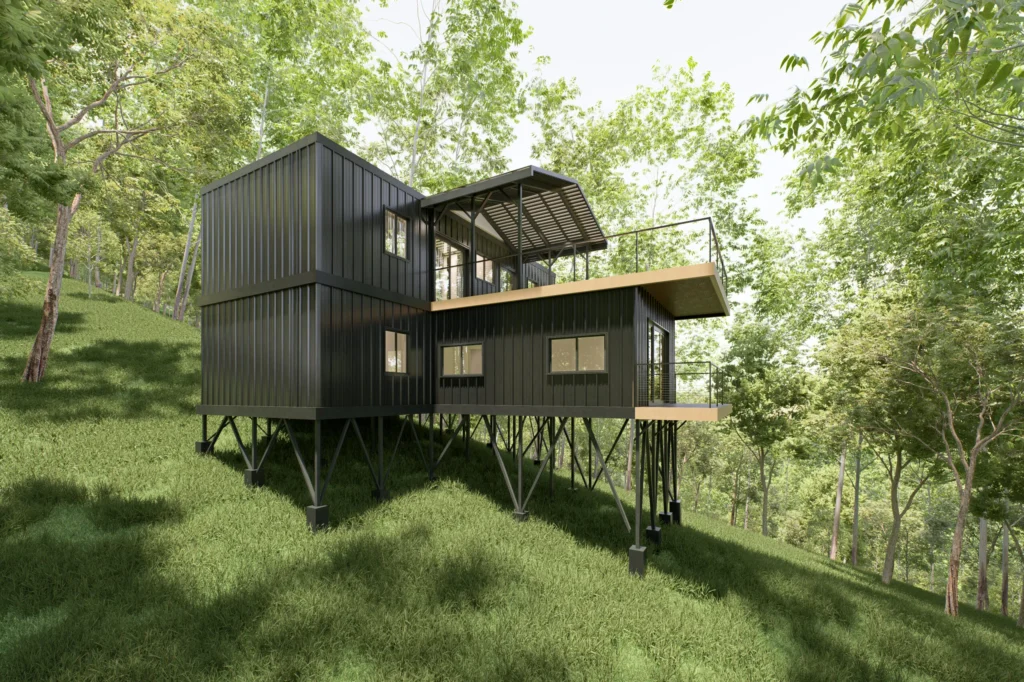
Design should also be judged by how it functions. Look at circulation between the kitchen, living area, bedrooms, and outdoor spaces. Ask whether the home gives guests room to gather while preserving places for quiet. For remote workers, review internet availability and the possibility of a dedicated workspace. For owners considering rental use, think about cleaning, maintenance, guest instructions, and how the home will photograph across seasons.
What Can You Do Near a Vacation Home at Dale Hollow Lake?
A Dale Hollow Lake stay can include boating, fishing, watersports, hiking, wildlife viewing, and slower time at the home. The most useful itinerary leaves room for both active plans and rest. A home near the lake gives guests a dependable base for changing the pace from one day to the next.
Dale Hollow Lake is a natural anchor for the area. Water activities can fill a morning or a full day, depending on the group. Before heading out, confirm the access point, equipment, weather, and any current rules that apply to your activity. Planning those details in advance helps a short visit feel relaxed rather than rushed.
Not every guest will want to spend every hour on the water. A flexible trip might pair a morning outdoors with lunch at the home, time on a rooftop deck, or an afternoon walk through the wooded surroundings. Families can build in different activity levels. One person may want a more active outing while another prefers a quiet start or time with a book.
Use the home’s location to create a repeatable rhythm. Choose one anchor activity, allow time to return and reset, then decide what the group wants to do next. This approach makes a short stay feel less like a checklist and more like an experience that can be adapted to the weather, the season, and the people traveling with you.
For a broader look at planning time in the area, explore activities near your vacation home. The property and the lake can work together: the lake supplies activity and the community supplies a comfortable, nature-focused place to return to.
Can One Vacation Home Support Personal and Rental Goals?
A vacation home may support personal use and rental potential, but those goals should be evaluated separately. First determine whether you would enjoy owning and visiting the home. Then review local rules, operating costs, management needs, demand, and realistic revenue assumptions before treating rental income as part of the decision.
Personal value is often the clearest starting point. Consider how frequently you expect to visit, who will use the home, and what kind of time you want to create there. A home that is enjoyable for your own weekends has value even when you do not rent it. That makes the ownership decision less dependent on optimistic occupancy assumptions.
If short-term rental use is part of the plan, build a separate checklist. Review local requirements and reporting obligations, community policies, insurance, furnishing, cleaning, repairs, utilities, taxes, management, and booking-platform costs. Rental demand can change with season, competition, travel patterns, and the quality of the guest experience. No projection should be treated as a guarantee.
Design can influence guest appeal, but it does not replace due diligence. Natural views, floor-to-ceiling windows, rooftop decks, and a modern layout may help a home stand out in listings. Owners still need accurate photos, clear descriptions, responsive management, dependable maintenance, and a plan for personal use that does not conflict with guest bookings.
Compare ownership materials with the same care you would use for any real estate decision. Ask what is included, how the build and delivery process works, what ongoing fees apply, and which responsibilities remain with the owner. The custom versus turnkey home guide can provide another lens for thinking about construction scope and ownership expectations.
For official information about Tennessee short-term rental reporting, review the state’s short-term rental reporting requirements. Confirm current rules and discuss tax or legal questions with the appropriate professional before making a purchase decision.
Schedule a tour or ask The Preserve your questions.
What Should You Ask Before Booking or Buying?
Before booking or buying, ask about the home, location, included features, internet, access, ownership costs, rental policies, and ongoing responsibilities. Clear answers help you compare a vacation home on its real fit instead of relying on attractive photos or a single headline feature.
About the home and its fit
- Which model best fits the number of guests and the way we expect to use the home?
- How do the bedrooms, living area, kitchen, storage, and outdoor spaces support our routine?
- Which appliances, furnishings, finishes, and outdoor features are included?
- How do the windows, deck, and elevated design affect privacy, views, and everyday comfort?
About access and the setting
- How long does it take to reach the lake access points and activities we plan to use?
- What roads, parking, and arrival details should guests or owners understand?
- How does the wooded community setting change between seasons?
About amenities and connectivity
- What internet service is available, and is it suitable for remote work?
- Which community roads, shared areas, or natural features are maintained?
- What should a guest or owner plan to bring for a comfortable stay?
About ownership, rental use, and costs
- What purchase, construction, closing, HOA, utility, insurance, and maintenance costs should be reviewed?
- Are there community or local requirements affecting short-term rental use?
- Who handles guest communication, cleaning, repairs, and emergencies when the owner is away?
- What assumptions support any rental projection, and which costs are excluded?
These questions are useful whether you are planning one visit or considering a longer-term connection to the area.
- Review the model sizes and identify the layout that fits your likely guests.
- Confirm lake access, internet, included features, and ongoing responsibilities.
- Review ownership or rental questions with the team before making a decision.
You can also review the vacation home ownership FAQs before speaking with the team.
Frequently Asked Questions About Vacation Homes in Eastern Tennessee
What makes Eastern Tennessee appealing for a vacation home?
Eastern Tennessee combines lake recreation, wooded landscapes, outdoor activities, and a slower pace that works for weekend trips or longer stays. Dale Hollow Lake adds boating and fishing, while a thoughtfully designed home can provide comfort and privacy after time outdoors. The ideal location balances access to activities with the setting you want when the day is over.
Are modern vacation homes available in Eastern Tennessee?
Yes. The Preserve at Dale Hollow offers modern architect-designed homes in one-, two-, and three-bedroom layouts on 520 wooded acres in Celina, Tennessee. Features such as floor-to-ceiling windows and private rooftop decks connect the homes to the surrounding landscape. Review current models and availability directly with the community, since offerings can change.
What should I compare when choosing a vacation home?
Compare location, layout, number of guests, outdoor living, connectivity, included features, maintenance, ownership costs, and any rental policies. A home that looks appealing in a listing still needs to fit your actual travel pattern. If rental use is part of the plan, evaluate realistic expenses and management needs separately from the personal enjoyment of owning the home.
Can I use a vacation home personally and explore rental potential?
Some owners use a vacation home for personal stays and consider short-term rental use when they are away. Whether that works depends on local requirements, community policies, management, costs, and demand. Treat revenue estimates as projections rather than promises, and confirm current rules and financial assumptions before making a purchase decision.
Plan Your Eastern Tennessee Escape
A well-chosen vacation home should make it easier to enjoy the lake, the landscape, and the people you bring with you. The Preserve at Dale Hollow combines a 520-acre wooded setting, modern elevated homes, floor-to-ceiling windows, rooftop decks, and a nine-minute drive to Dale Hollow Lake.
Review the models, consider how you would use the home, and bring your practical questions to the team. Whether you are planning a stay or exploring ownership, a conversation can help you understand the current options and next steps.