
For many retirees, the best places to retire in Tennessee are not defined by one ranking. The right fit depends on the balance between healthcare access, monthly housing costs, taxes, pace of life, and the activities that make an ordinary Tuesday feel rewarding. The Preserve at Dale Hollow adds a distinct lake-country option to that conversation: an architect-designed treetop home community on 520 wooded acres, just 9 minutes from Dale Hollow Lake, where elevated modern design and valley views meet a quieter rural setting.
Explore whether The Preserve at Dale Hollow fits your retirement or second-home plans
Quick answer: Tennessee can suit retirees who want access to outdoor recreation and a broad range of town sizes, from major metros to rural lake communities. Larger hubs such as Knoxville, Chattanooga, and Nashville generally offer deeper healthcare and service networks, while places such as Cookeville, Crossville, Johnson City, and Celina can appeal to people who prefer a smaller-scale daily routine. Dale Hollow Lake is not the universal answer, but it deserves a closer look for retirees who value wooded privacy, water access, and a slower pace more than walkable urban amenities.
How should you compare the best places to retire in Tennessee?
A retirement destination should be measured against the life you expect to live there, not just a listicle ranking. Before comparing towns, write down the practical requirements that will shape your experience for years: the kind of healthcare you use, how often you travel, whether you want a maintenance-light home, and how much driving feels comfortable.
| Priority | What to investigate | Why it matters |
|---|---|---|
| Healthcare | Primary care, specialists, hospitals, urgent care, pharmacies, and emergency response | A scenic location is only a good fit if its care network matches your needs. |
| Housing | Purchase price, insurance, property tax, HOA or community fees, utilities, and maintenance | Monthly carrying costs can differ substantially from the purchase price. |
| Taxes | State rules plus county and city property taxes, sales tax, and federal obligations | No state tax on certain income does not mean there are no taxes to budget for. |
| Daily rhythm | Traffic, errands, cultural activities, volunteer options, faith communities, and social connection | A place can be beautiful yet feel inconvenient or isolated in day-to-day life. |
| Recreation | Trails, water access, parks, golf, arts, dining, and seasonal activities | Regular access to enjoyable activities supports the lifestyle you are choosing. |
Use the table as a decision framework rather than a scorecard. A retiree who needs weekly specialist visits may reasonably prioritize a regional medical hub, while someone who wants a quiet setting for boating, walking, and time outdoors may accept a longer drive for some services.
What are the strongest Tennessee retirement profiles?
Tennessee gives retirees several different lifestyle patterns to compare. The following are not universal rankings. They are profiles that help narrow the search based on priorities.
Nashville and Franklin: services, culture, and family proximity
The Nashville region can work well for retirees who want extensive medical systems, an airport, restaurants, live music, cultural events, and proximity to family or a larger professional network. Franklin and other popular suburbs add a polished, community-oriented setting, but housing, insurance, traffic, and day-to-day services may require more budget and patience than smaller Tennessee markets.
This profile is strongest for people who want convenience and activity close at hand. It may be less comfortable for someone whose ideal retirement includes a private wooded lot, minimal traffic, and quick access to a lake rather than a metro area.
Knoxville: a regional hub with outdoor access
Knoxville offers a middle path for retirees who want a substantial city and regional healthcare base without choosing the scale of Nashville. The University of Tennessee adds cultural and educational activity, while the broader East Tennessee region brings access to lakes, rivers, trails, and mountain landscapes.
Neighborhood choice matters. A retiree should compare walkability, terrain, road access, maintenance needs, insurance, and drive times rather than assuming every part of the metro offers the same experience.
Chattanooga: river scenery with an active small-city feel
Chattanooga appeals to retirees who want a recognizable downtown, riverfront scenery, restaurants, arts, and outdoor recreation in a smaller city environment. Its location supports day trips and active hobbies, but buyers should still investigate flood exposure, hillside access, insurance, and the distance between their preferred neighborhood and the services they use most.
This is often a good profile for a retiree who wants nature nearby without moving fully rural. It may not offer the same quiet or private setting as a lake-country community outside a regional hub.
Johnson City and the Tri-Cities: a smaller regional service base
Johnson City, Kingsport, and Bristol give retirees an Appalachian setting with colleges, healthcare, local restaurants, and a smaller-city pace. The region can suit people who want mountain scenery and community life while keeping more services within reach than they would find in a very rural county.
As with any regional market, compare winter weather, terrain, specialist availability, and the distance to the airport or family. A lower-cost housing market is only one part of the retirement equation.
Cookeville and Crossville: Upper Cumberland and plateau living
Cookeville is a practical Upper Cumberland hub with shopping, education, medical services, and access to outdoor destinations. Crossville is known for a quieter plateau setting and an activity-oriented retirement culture. Both can appeal to retirees who want more space and a slower pace than a large metro while keeping a recognizable town center and regional services.
The tradeoff is that a smaller service base may require more planning for specialized care, frequent flights, or certain shopping and cultural needs. Visit in more than one season and map the trips you would make regularly before committing.

How do Tennessee taxes affect retirement planning?
Tennessee’s tax structure is one reason retirees put the state on their shortlist, but the details still deserve professional review. The Tennessee Department of Revenue says the state does not impose an individual income tax on wages, employer-sponsored retirement income, Social Security, IRA distributions, 401(k) distributions, or annuity distributions. The state also repealed the Hall Income Tax for tax periods beginning January 1, 2021 or later.
Review the Tennessee Department of Revenue guidance on retirement income and the state’s Hall Income Tax update for the underlying rules. These sources explain state treatment, not a complete personal tax plan.
No state individual income tax does not eliminate property taxes, sales taxes, insurance, utilities, maintenance, healthcare premiums, or federal tax obligations. Local property taxes vary by county and are administered locally. The Tennessee Comptroller’s office also explains the state’s property tax relief program, including eligibility rules that should be checked directly rather than assumed.
For a useful comparison, estimate your complete monthly budget in each finalist location. Include housing, insurance, transportation, prescriptions, medical travel, memberships, utilities, and the cost of visiting family. A place that looks inexpensive on paper may not be the most economical fit once recurring travel or maintenance is added.
What healthcare questions should retirees ask before moving?
Healthcare access is where the difference between a metro, a regional hub, and a rural lake community becomes most important. Do not judge a location only by whether it has a clinic. Ask how far it is to the primary care office, preferred specialists, hospital, pharmacy, imaging, rehabilitation, and emergency services. Confirm which providers accept your coverage and whether new-patient appointments are available.
Tennessee’s Department of Health operates county health departments across the state and groups rural counties into regional offices. Its public information is a useful starting point, but it is not a substitute for checking the providers and services you may actually use. In the Upper Cumberland, Cookeville Regional Medical Center describes itself as a community medical center serving the region. Prospective residents should verify current services, referral patterns, and drive times directly with providers.
- Routine care: Can you identify a primary care practice accepting patients?
- Specialty care: Which specialists are available locally, and how often would you travel to Nashville, Knoxville, or another hub?
- Emergency planning: What is the realistic route and drive time to emergency services from the specific home or community?
- Future support: What home health, rehabilitation, skilled nursing, and assisted-living resources serve the area?
- Transportation: If driving becomes difficult, what local transportation or family support would be available?
These questions do not make a rural location unsuitable. They help you choose it with clear expectations. A retiree with stable health and a strong preference for nature may weigh the tradeoff differently from someone who needs frequent specialist appointments.
Could Celina and Dale Hollow Lake be a fit for retirement?
Celina and the Dale Hollow Lake area offer a different retirement profile from Tennessee’s larger cities. The setting is rural, wooded, and centered on outdoor access rather than urban convenience. The area can appeal to someone who wants a slower daily pace, more privacy, and a home base near fishing, boating, trails, and lake scenery.
Dale Hollow Lake is managed by the U.S. Army Corps of Engineers. Its official Recreation.gov information describes a destination near Celina with boating, fishing, hiking, wildlife viewing, and other land and water activities. The lake is known for a forested setting, clear water, and substantial shoreline, but recreation access varies by launch, marina, season, and weather.
See current Dale Hollow Lake recreation information on Recreation.gov before planning a visit. A prospective retiree should also spend time in Celina during an ordinary week, not only during a high-energy vacation weekend. Check grocery access, pharmacy trips, internet service, worship or community groups, dining, road conditions, and the drive to healthcare.
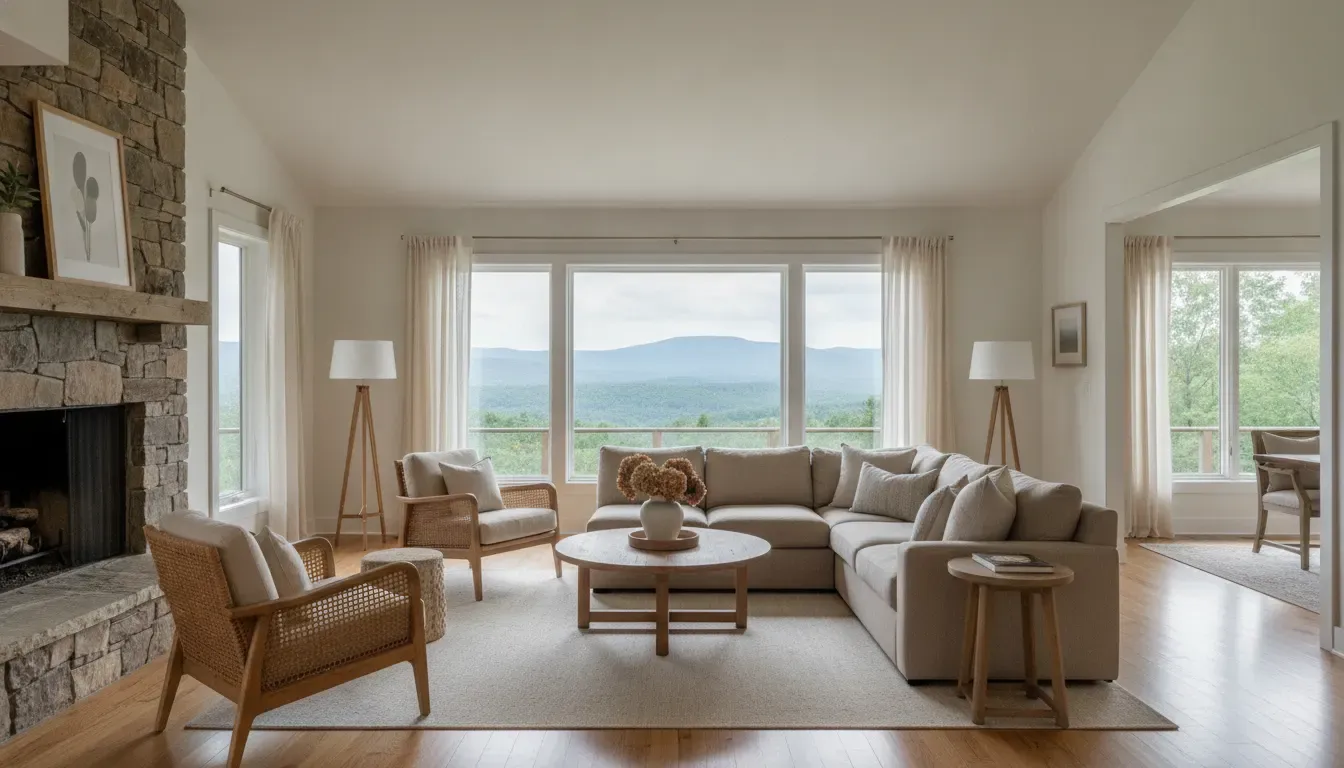
For those who want a modern ownership option in that setting, The Preserve at Dale Hollow is one example to evaluate. The community sits on 520 wooded acres in Celina, with architect-designed treetop homes, floor-to-ceiling windows, private rooftop decks, and valley views. It is 9 minutes from Dale Hollow Lake. Those features may suit a retiree or second-home buyer looking for a nature-immersed home with a more contemporary feel than traditional lake lodging.
The right question is not whether The Preserve is the best place for every retiree. It is whether its elevated design, private wooded setting, and relationship to Dale Hollow Lake align with your budget, healthcare plan, travel habits, and desired level of day-to-day activity. Review the available home models as a starting point, then verify ownership, maintenance, community, and service details before making a decision.
Talk with The Preserve about a modern lake-country retirement or second-home option
Which Tennessee retirement profile matches your priorities?
Use these profiles to turn a broad search into a practical shortlist:
- Choose a major metro profile if airport access, extensive healthcare, cultural events, and family proximity are your daily priorities.
- Choose a regional hub profile if you want a balance of town services, outdoor recreation, and a less intense pace than Nashville.
- Choose a smaller-city profile if you value community scale, a quieter routine, and access to regional services without urban density.
- Choose a Dale Hollow and Celina profile if wooded privacy, lake recreation, modern home design, and a rural rhythm are more important than walkability and immediate specialist access.
Before buying, rent or stay for an extended visit if possible. Drive the routes you would use for healthcare and errands. Talk with local providers, review insurance and property-tax information, and compare the full monthly budget. The most attractive retirement destination is the one that still feels workable after the vacation feeling fades.
Frequently asked questions about retiring in Tennessee
Is Tennessee a good state to retire in?
Tennessee can be a good fit for retirees who want varied communities, outdoor recreation, and no state individual income tax on several common retirement income sources. The best fit depends on healthcare needs, housing costs, insurance, property taxes, transportation, family proximity, and preferred pace of life.
What are some of the best places to retire in Tennessee?
Common profiles include Nashville and Franklin for services and culture, Knoxville and Chattanooga for regional amenities plus outdoor access, Johnson City for a smaller Appalachian service base, Cookeville and Crossville for Upper Cumberland and plateau living, and Celina near Dale Hollow Lake for a quieter rural lake-country lifestyle.
Does Tennessee tax Social Security or retirement account withdrawals?
The Tennessee Department of Revenue states that Tennessee does not impose an individual income tax on Social Security, pension income, IRA distributions, or 401(k) distributions. Tax rules can change and personal federal, local, property, sales, and other obligations still apply, so consult a qualified tax professional for individual advice.
Is Dale Hollow Lake a practical place to retire?
Dale Hollow Lake may be practical for retirees who prioritize nature, privacy, boating, fishing, walking, and a slower rural pace. It requires more advance planning for healthcare, errands, transportation, and specialist access than a major Tennessee metro. A visit during an ordinary week can help confirm whether the tradeoffs fit your routine.
What should I verify before buying a retirement home near a Tennessee lake?
Verify healthcare routes, internet service, insurance, property taxes, utilities, maintenance responsibilities, road access, flood or storm exposure, community rules, and the distance to groceries and pharmacies. Review current property and community documents directly, and do not assume that a vacation experience reflects year-round living.
Contact The Preserve at Dale Hollow to discuss your Tennessee retirement plans