
.
Choosing a Tennessee home is about more than scenery. It is about how easily a place supports the life you want to live, from weekday routines and family needs to quiet mornings outdoors. The Preserve at Dale Hollow offers one example of that balance: an architect-designed community on 520 wooded acres in Celina. Clay County, about nine minutes from Dale Hollow Lake.
Ask about living at The Preserve if a nature-focused setting with modern comforts fits your plans.
The best places to live in tennessee depend on your priorities. Compare work and service access, schools and family routines, outdoor recreation, privacy, internet availability. And the type of home you want before choosing a city, town, or lake-centered community.
That framework helps separate a beautiful destination from a practical fit. Start by weighing each location against the everyday factors that shape comfort, connection, and long-term satisfaction.
How to Compare the Best Places to Live in Tennessee
There is no single Tennessee destination that fits every household. A strong comparison starts with how you expect to use the place, then tests each location against the practical details that shape daily life. Use this framework before relying on a ranking or a list of popular cities.
| What to compare | Questions to ask |
|---|---|
| Daily access | How far are work, healthcare, groceries, schools, and airports? |
| Outdoor lifestyle | Can you reach the water, trails, parks, or quiet space you will use? |
| Home and community fit | Does the layout, setting, connectivity, and rule structure match your plans? |
| Future flexibility | Will the location still work if your household, work, or ownership purpose changes? |
- Define your everyday access needs. Consider where work, healthcare, groceries, schools, airports, and other recurring services need to be. A larger metro may make employment and appointments more convenient, while a smaller community may better support quiet and outdoor time. If you work remotely, verify internet availability at the specific property rather than assuming statewide coverage.
- Separate family priorities from general reputation. Families may need to investigate school enrollment, childcare, activities, and commute patterns. Retirees may place more weight on medical access, social connection, and the ease of routine errands. Visit the area at the times you would actually travel, and confirm current information with local providers and public agencies.
- Measure recreation against the way you will use it. Tennessee offers varied landscapes and outdoor experiences, from state parks and waterways to mountain and rural settings. Ask whether you want quick access for frequent outings or a destination designed for occasional escapes. Dale Hollow Lake, for example, is a forested recreation setting with opportunities that include boating, fishing, hiking, and camping, according to the U.S. Army Corps of Engineers.
- Clarify your privacy and housing purpose. A primary residence, weekend retreat, future home, and rental-oriented property can require different layouts, services, maintenance expectations, and access. Compare the home itself, the surrounding land, and the community model, not just the town name.
- Verify the details before deciding. Check roads, utilities, connectivity, emergency services, property restrictions, and the distance to the places that matter most. For a lake-centered option, The Preserve at Dale Hollow is in Celina, Clay County, on 520 wooded acres about nine minutes from Dale Hollow Lake. That is a specific setting to evaluate, not a claim that it suits every buyer.
What Makes a Tennessee Location Work for Everyday Life?
The best location is not always the one with the most amenities or the quietest setting. It is the one that fits the rhythm of your actual week. Before comparing the best places to live in Tennessee, consider how a community supports work. Errands, family responsibilities, and the kind of downtime you want when the day is over.
Work access and daily services
Metro and suburban communities generally make it easier to reach larger employment centers, medical providers, shopping, restaurants, schools, and cultural activities. That convenience can be valuable for households with office-based work, frequent appointments, or children involved in several activities. The tradeoff may be more traffic, denser development, and less separation between home and the pace of the city.
Smaller communities can offer a slower, more private daily experience, but buyers should examine services rather than assume they will be close by. Look at the drive to groceries, pharmacies, primary care, hospitals, hardware stores, and other regular stops. Remote workers should also confirm internet availability at the specific property, along with mobile coverage and backup options.
Schools, family routines, and quiet
For families, the practical questions are highly personal. Review school assignments and transportation, then map the time required for drop-offs, activities, sports, and visits with relatives. A quieter community may create more room for outdoor time and unhurried evenings, while a suburban setting may reduce travel for organized activities and services. Neither is automatically better. The right choice depends on how much convenience your household needs each week.
In a lake-centered setting, quiet is often part of the appeal, but it should be weighed against access. The Preserve at Dale Hollow, in Celina and Clay County, offers a wooded setting near Dale Hollow Lake rather than a city neighborhood. Buyers exploring living near Dale Hollow Lake should compare that natural setting with their preferred drive times, service needs, and intended use of the home. A location can feel removed without being disconnected, provided its everyday tradeoffs match your priorities.
Why Do Lake-Centered Buyers Look Beyond Major Tennessee Cities?
For some buyers, the best place to live in Tennessee is not defined by the size of its downtown or the number of nearby office buildings. It is defined by how easily everyday life can connect with time on the water, quiet surroundings, and room to spend a weekend outdoors. A lake-centered location can offer a different rhythm from a major city, especially for families, retirees, remote workers, and second-home buyers.
Dale Hollow Lake illustrates that appeal. The U.S. Army Corps of Engineers describes the lake as a forested destination with opportunities for boating, fishing, hiking, camping, picnicking, and other outdoor activities. Bass fishing, fly fishing on the Obey River, wildlife viewing, and time on the water can become part of a regular routine rather than an occasional vacation plan. Nearby Dale Hollow area amenities help buyers understand what is available beyond the property itself.
Privacy without giving up access
Smaller lake communities can appeal to people who want more privacy and a stronger sense of separation from city traffic. That does not mean giving up convenience, but it does require a more careful look at distance. Buyers should map the drive to groceries, medical care, schools, dining, boat ramps, and work destinations. A location that feels wonderfully secluded during a weekend visit may feel less practical if routine errands require a long drive.
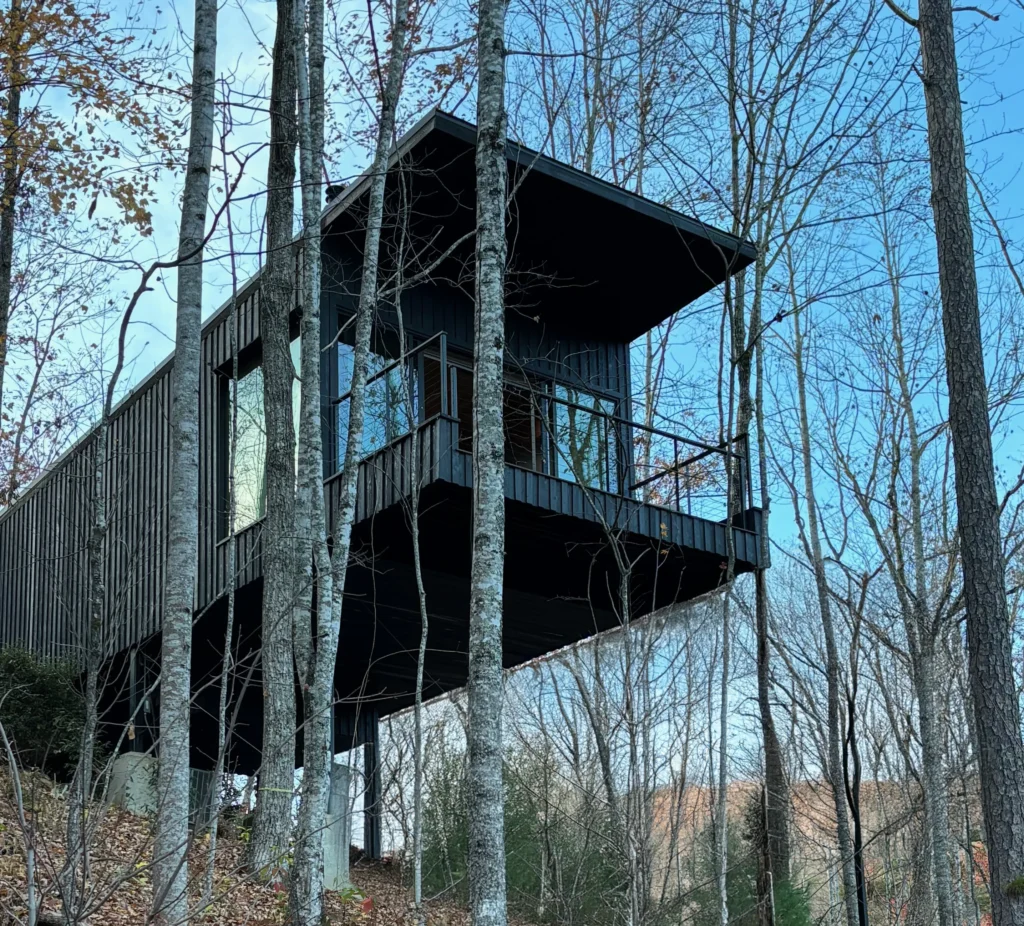
The Preserve at Dale Hollow is in Celina, Clay County, on 520 wooded acres and about nine minutes from Dale Hollow Lake. It is near the lake, not lakefront, which gives buyers a useful distinction when comparing communities. The setting can support a quiet home base while keeping recreation within practical reach. For families weighing ways to spend time together, explore family activities near Dale Hollow alongside the services and travel times that matter most to daily life.
The right choice is ultimately a balance: recreation and privacy on one side, dependable access and practical services on the other. Visiting at different times, testing the actual routes, and listing non-negotiable services can reveal whether a lake-centered location fits the way you intend to live.
Is Celina a Good Fit for a Lake-Centered Tennessee Lifestyle?
Celina can be a strong fit for people who want outdoor access, a quieter setting. And a home base near Dale Hollow Lake rather than a dense metro environment. It is worth viewing the choice through your actual routine, though. Consider how often you need medical services, shopping, schools, restaurants, and a larger employment center before deciding whether a smaller Clay County community matches your plans.
For buyers who value nature and modern design, The Preserve at Dale Hollow offers one specific example of what lake-centered living near Celina can look like. The community is set on 520 wooded acres in Celina, Clay County, about nine minutes from Dale Hollow Lake. That location creates a distinction worth making: residents can reach the lake conveniently while enjoying a wooded and valley-oriented setting away from a lakefront parcel.
What kind of home fits your plans?
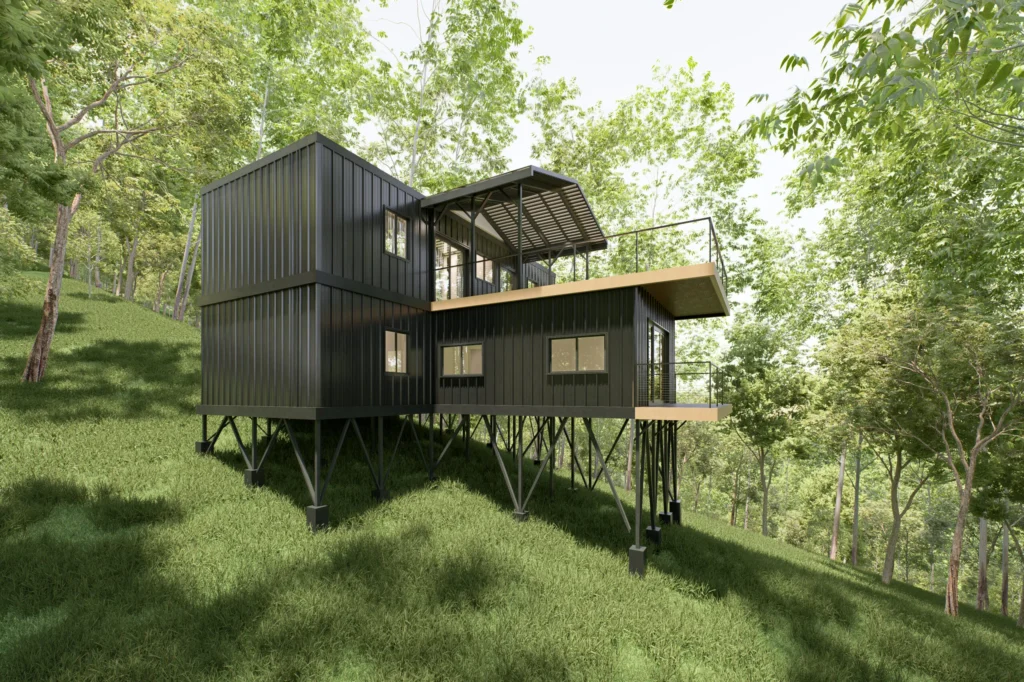
The Preserve’s architect-designed modern elevated homes are available in 1-, 2-, and 3-bedroom layouts. That range can suit different use cases, from a private retreat for two to a place where family and guests have more room to stay. Reviewing the Dale Hollow home models can help you compare the available design direction and think through how much space your household actually needs.
Can you stay connected while living near the lake?
Connectivity is an important practical question for remote workers, second-home owners, and anyone who wants modern convenience alongside a natural setting. Fiber-optic internet availability is noted for The Preserve, but buyers should confirm service details, installation timing, and availability for the specific homesite or home under consideration.
The Preserve’s materials also describe Nashville access as about 1 hour 45 minutes. Treat that figure as a general, KB-sourced orientation rather than a universal commute promise. Traffic, weather, route, and trip timing can change the experience. Celina may be a good fit if your priorities lean toward quiet, wooded surroundings, lake recreation, and a thoughtfully designed home. Your work and daily needs must still allow for a smaller-community rhythm.
A Practical Tennessee Home-Buying Checklist
Use this checklist to compare Tennessee locations on daily realities, not just the appeal of a scenic view or weekend visit.
- Clarify the purpose of the move. Decide whether you are choosing a full-time home, a second home, a future retirement setting, or a place for occasional stays. Your answer affects the importance of commute patterns, nearby services, maintenance, and opportunities to spend time in the community.
- Map access to work, family, and essential services. Check the actual routes to employment, schools, health care, groceries, and other recurring destinations. Visit at different times of day so you understand the drive rather than relying on a map estimate.
- Define your recreation priorities. List the activities you expect to enjoy regularly, such as boating, fishing, hiking, wildlife viewing, or simply having quiet outdoor space. Then confirm how close those experiences are and whether access suits your household.
- Verify utilities and connectivity. Ask specific questions about electricity, water, wastewater, internet availability, mobile coverage, and backup plans. Remote workers should test connectivity from the actual home site, not assume that a regional service listing tells the whole story.
- Match the home and community to your routine. Consider bedroom needs, storage, accessibility, outdoor areas, privacy, shared amenities, and how much upkeep you want. Review plans and property details carefully before deciding whether a setting feels practical.
- Read the rules and confirm future flexibility. Review association documents, land-use requirements, rental policies, building guidelines, maintenance responsibilities, and any restrictions that could affect your plans. For more context, explore this guide to buying property near Dale Hollow.
- Spend time there before committing. Walk the surroundings, ask direct questions, and picture an ordinary weekday as well as a holiday weekend. A location should support the life you intend to live, whether that means convenient services, lake-centered recreation, a peaceful retreat, or a combination of priorities.
How Should You Test a Location Before You Buy?
A promising destination can feel very different on a quiet Saturday than it does during a busy weekday, a storm, or the off-season. Before committing, spend enough time in the area to test the lifestyle you actually intend to live, whether that means full-time residence, frequent weekends, or occasional stays.
Visit at more than one time
Walk or drive the area in the morning, evening, and on a typical weekday. Notice traffic, noise, lighting, road conditions, and how long ordinary errands take. If possible, visit during the season when you expect to use the property most. A location that feels peaceful during a short tour should also work when weather changes or nearby attractions are busiest.
Trace your real routines
Test the routes you would use for groceries, medical appointments, schools, work, recreation, and visiting family. Check mobile coverage and internet options at the property, rather than assuming that service in town will match service at the homesite. Ask which utilities serve the property and whether any installation, maintenance, or access responsibilities belong to the owner.
Spend time in the community
Eat locally, visit nearby businesses, and talk with people who live in the area. This helps you assess whether the pace, services, and social atmosphere fit your plans. Review the community’s governing documents, building standards, rental rules, road agreements, and any restrictions before you make an offer. A careful review can reveal practical limits that a scenic view will not.
Compare the setting with your intended use
Finally, write down what you want the property to provide and compare that list with what you experienced. For a lake-centered retreat, consider the balance between outdoor access, privacy, modern comforts, and travel time. The Preserve at Dale Hollow, for example, is in Celina on 520 wooded acres and is about nine minutes from Dale Hollow Lake. That makes it one specific community to evaluate, not a substitute for testing the broader area yourself.
Explore the home models and surroundings at The Preserve
This approach keeps the search for the best places to live in Tennessee grounded in your daily needs, not just a memorable first impression.
Ask about living at The Preserve before you choose your next Tennessee setting
Frequently Asked Questions
What are the pros and cons of moving to Tennessee?
Tennessee offers varied settings, from growing metro areas with broader employment and services to smaller communities with more quiet and outdoor access. The tradeoff is that healthcare, shopping, schools, and entertainment can be farther apart in rural locations. Buyers should compare a town’s everyday convenience with the privacy and recreation they value, rather than treating the state as one uniform market.
What is the safest place to live in Tennessee?
There is no single answer for every household because safety can vary by city, neighborhood, and property location. Review current local data, visit at different times of day, and ask specific questions about lighting, roads, emergency response, and nearby services. Families should also evaluate school transportation and day-to-day routes separately from broad city or county labels.
What should families consider before choosing a lake community?
Look beyond the view. Confirm school options, childcare, grocery access, medical care, internet service, road conditions, and the distance to activities your household uses regularly. Then clarify whether the property is lakefront, lake-adjacent, or simply within driving distance. A community near Dale Hollow Lake, for example, may suit buyers who want boating, fishing, hiking, and wildlife viewing without requiring a home directly on the water.
Is Celina a good fit for a lake-centered lifestyle?
Celina may fit buyers who want a quieter setting near outdoor recreation while retaining practical connectivity for remote work or occasional travel. The Preserve at Dale Hollow is in Celina, on 520 wooded acres, and is about nine minutes from Dale Hollow Lake. Its architect-designed one-, two-, and three-bedroom homes and noted fiber-optic availability may appeal to second-home buyers, families, and pre-retirees, subject to their own due diligence.
Contact us about a lake-centered lifestyle
Choosing among the best places to live in Tennessee starts with understanding how a location fits your everyday rhythm, from outdoor access and privacy to the home itself. The Preserve at Dale Hollow offers a setting to explore as you consider life near Dale Hollow Lake.
Contact The Preserve to ask about living near Dale Hollow Lake.