
Rental property financing for a vacation home is not simply a matter of finding the lowest advertised rate. The loan type, planned rental use, personal occupancy, down payment, reserves, income documentation, insurance, and property details can all affect the conversation with a lender.
At The Preserve at Dale Hollow, buyers can evaluate modern architect-designed homes on 520 wooded acres. The community is about 9 minutes from Dale Hollow Lake. Buyers can build a financing plan around how they expect to use the home.
Explore the current home models before you compare financing scenarios.
This guide is an educational starting point, not lending, tax, legal, or investment advice. Ask each lender to explain its current requirements for your specific property, income, credit profile, intended occupancy, and rental plan.
Which Loan Type Fits Your Rental Property Financing Plan?
The right financing conversation starts with occupancy. Not the phrase “vacation home.” A property used primarily as an investment may be evaluated differently from a second home that you occupy for part of the year. Tell the lender how you realistically expect to use the home, including whether you plan to rent it for short stays, use it personally, or combine both.
Fannie Mae distinguishes principal residences, second homes, and investment properties in its occupancy-type guidance. A lender may apply its own overlays and may offer different products, pricing, documentation, or down-payment requirements. Do not describe a property as a second home solely because that label seems more favorable. Your application should accurately reflect your planned use.
- How would you classify this property based on my planned occupancy?
- Does short-term rental use change the eligible loan products or underwriting requirements?
- Must I occupy the property for a minimum period each year?
- Are there restrictions on advertising the property for rent after closing?
- Would a construction-to-permanent or other specialized loan be more appropriate if the home is being built?
How Does Rental Property Financing Treat Projected Rental Income?
Projected rental income may or may not be counted in underwriting, and the answer depends on the loan program, documentation, property history, and lender policy. Ask for the lender’s rule before assuming that expected bookings will support approval. A revenue estimate can help you plan, but it is not the same as qualifying income.
Fannie Mae publishes specific guidance for short-term rental income from the subject property. Requirements can involve tax returns, operating history, leases, market-rent documentation, or other evidence. Some lenders may use only a portion of eligible income, while others may not count projected short-term rental income for a new property.
| Question for the lender | Why it matters |
|---|---|
| Will you count income from this property? | Some programs restrict or exclude projected rental income. |
| What documents support the income calculation? | You may need tax returns, leases, statements, or an operating history. |
| What percentage of eligible income can be used? | Underwriting may apply a reduction for expenses, vacancy, or uncertainty. |
| Can income from another property be considered? | Existing rental history may be treated differently from new-property projections. |
Keep your personal budget workable even if rental income is excluded or lower than expected. The strongest plan separates the amount you can comfortably carry from the amount you hope the property will earn.
What Cash Does Rental Property Financing Require Up Front?
Ask for a complete cash-to-close and reserve estimate, not only a down-payment percentage. The amount you need may include earnest money, closing costs, prepaid taxes or insurance, furnishings, utility setup, initial repairs, and reserves after closing. Requirements vary by product and borrower, so request the figures in writing for the exact scenario you are considering.
- What is the minimum down payment for the loan type you recommend?
- How many months of housing payments must remain in liquid reserves?
- Are rental-property reserves calculated separately from my primary-home reserves?
- Can documented assets, retirement funds, or other accounts satisfy the reserve requirement?
- Which closing costs, prepaid items, and lender fees should I include in the estimate?
- Will the lender require reserves for furnishings, repairs, or a period without bookings?
Reserves matter because a vacation home can have seasonal demand and irregular expenses. A roof repair, appliance replacement, insurance change, or slower booking period can arrive regardless of the mortgage due date. A lender’s reserve requirement is a qualification floor, not a recommendation for how much cash your household should keep available.
Request current property information so you can build a property-specific financing checklist.
What income and debt information will underwriting review?
Rental property financing is still personal finance. The lender may review employment or business income, credit history, existing housing obligations, other debt, assets, tax returns, and the way income is documented. If you are self-employed, own other rentals, or expect a new business entity to hold the property, ask early which records the lender will need.
Useful questions include:
- Income documentation: Which pay stubs, W-2s, tax returns, bank statements, or business records are required?
- Debt-to-income calculation: How will the proposed payment, current home, auto loans, student loans, and other obligations be counted?
- Variable income: How are commissions, bonuses, contract income, or business distributions treated?
- Existing rental properties: What operating statements and tax schedules are needed?
- Credit profile: Which score, history, utilization, or recent-credit factors could affect the offer?
- Ownership structure: Can the borrower be an LLC, or must the individual borrower close personally?
Do not wait until you have selected a lot or model to discover that a lender cannot use the income documentation you expected. A preliminary conversation with more than one qualified lender can reveal which records to gather and which assumptions need to be tested.
Does the property’s construction or location change the loan process?
Property details can affect appraisal, title, insurance, utilities, and loan eligibility. For a home being built or placed on a selected homesite. Ask the lender what must be completed before closing and whether the lender has experience with the relevant construction process. The lender may need plans, specifications, contracts, budgets, permits, inspections, or an appraisal based on the completed home.
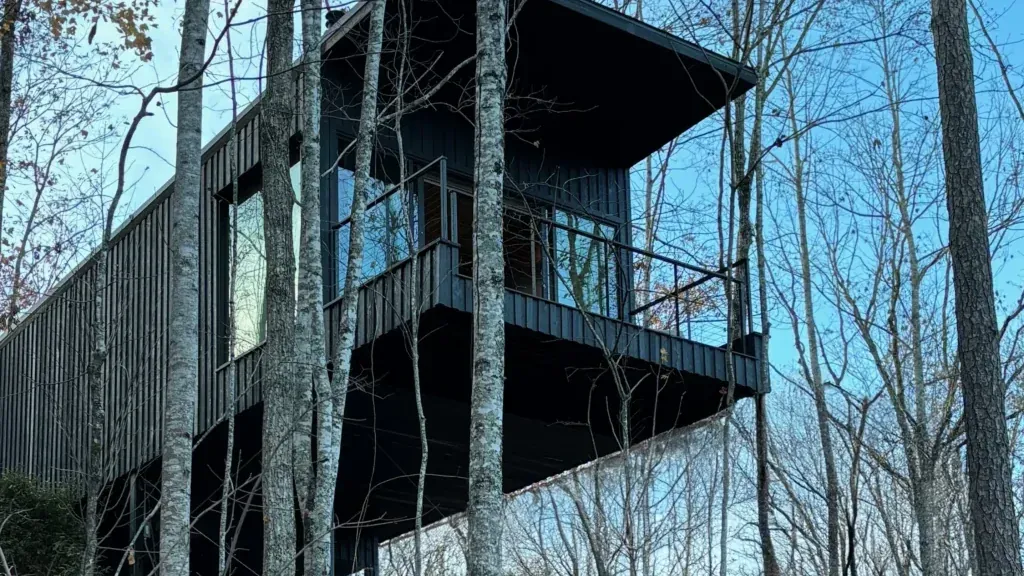
The Preserve at Dale Hollow offers architect-designed elevated homes with private wooded lots, floor-to-ceiling windows, rooftop decks, and modern systems. Those features make the property distinct. They also reinforce why your lender, insurer, appraiser, and seller should review the exact model and homesite rather than relying on a generic comparable.
- Can you finance a home that is being built rather than an existing resale?
- What appraisal form, plans, specifications, and completion evidence will you need?
- How are lot value, site work, utilities, upgrades, and change orders treated?
- When does the interest rate lock begin, and what happens if construction timing changes?
- What inspections or certificates are required before the permanent loan closes?
These questions are especially important when a buyer is comparing a ready-to-occupy property with a new-build opportunity. Ask for the timeline and payment milestones in writing so the financing schedule can be compared with the construction schedule.
Which insurance, taxes, and operating costs belong in the budget?
A mortgage payment is only one part of the ownership plan. Ask the lender which insurance coverage and tax estimates it expects for qualification, then obtain property-specific quotes from the appropriate professionals. A short-term rental may require coverage that differs from a home used only by the owner. The correct policy depends on the property, operations, carrier, and state requirements.
The IRS explains that rental income and expenses can have different tax treatment depending on how a home is used. Review the current IRS guidance on renting residential and vacation property and discuss your facts with a tax professional. Do not build a financing decision around an assumed deduction or a projected tax result.
Ask for a monthly and annual estimate that includes:
- Principal and interest.
- Property taxes and any applicable assessments.
- Insurance for the planned use.
- Community or association dues.
- Utilities, internet, and routine maintenance.
- Cleaning, furnishing replacement, and guest-readiness costs.
- Management, booking, and payment-processing expenses if applicable.
- A reserve for repairs, vacancies, and unexpected ownership costs.
For a property near Dale Hollow Lake, consider seasonality and weather.
Also account for travel distance and your own availability.
A modern home on a wooded ridgeline can support a compelling guest experience. The financing decision should remain sound without assuming perfect occupancy.
How should I compare lender offers?
Compare offers using the same property assumptions and time period. A lower rate may not mean a lower total cost if the offer carries higher points, fees, reserves, prepayment terms, or restrictions on rental use. Ask each lender for a written loan estimate when appropriate, then have the lender explain the parts you do not understand.
| Compare | Question to ask |
|---|---|
| Loan classification | Is this a second-home, investment-property, construction, or another loan product? |
| Rate and term | What are the rate, term, lock period, and conditions for the quoted offer? |
| Cash required | What is the total estimated cash to close and required post-closing reserves? |
| Rental treatment | What rental use is permitted, and can projected income be used in qualification? |
| Flexibility | What happens if the build schedule, homesite, finishes, or rental plan changes? |
Take the same question list to each lender. Consistent inputs make it easier to see whether a difference comes from the rate, the loan classification, the cash requirement, or a policy about rental use.
What should I ask before moving from prequalification to an application?
Before spending money on inspections, appraisals, or other transaction steps, confirm that the lender has reviewed the facts that make this purchase different from a conventional primary residence. Ask the lender to identify any unresolved assumptions and the documents needed to replace them with verified information.
- Confirm the intended occupancy and rental plan in writing.
- Confirm the loan type, minimum down payment, cash-to-close estimate, and reserve requirement.
- Confirm whether projected rental income is usable and what documentation supports it.
- Confirm the property, construction, appraisal, title, insurance, and utility requirements.
- Confirm the rate-lock process, closing timeline, and consequences of a schedule change.
- Review the full ownership budget with a lender, insurance professional, tax adviser, and attorney as appropriate.
If you are comparing models at The Preserve, bring the lender’s questions to the property conversation. The Models page can help you compare layouts and features, while a direct conversation can clarify current availability and property details. Financing should support the way you intend to enjoy and operate the home, not force you into a plan that does not fit.
Frequently Asked Questions
Is rental property financing different from second-home financing?
It can be. Lenders may classify a property by its primary intended use, and an investment property may have different requirements from a second home that the owner occupies. Explain your actual rental and personal-use plan and ask the lender which classification applies.
Can I use expected vacation-rental income to qualify?
Sometimes, but not automatically. The loan program and lender may require specific documentation, limit the amount counted, or exclude projected income for a new property. Ask for the current rule and required evidence before relying on rental income.
How much cash should I keep after closing?
Ask the lender for the required reserve amount, then create a separate household budget for vacancies, repairs, insurance, furnishings, and operating costs. The required reserve is a qualification minimum, not a universal recommendation.
Should I compare more than one lender?
Yes. Comparing qualified lenders can help you see differences in loan classification, rental-income treatment, cash requirements, rate terms, and property eligibility. Give each lender the same facts so the comparison is useful.
Can The Preserve at Dale Hollow recommend a loan product?
The Preserve can provide property and model information, but a lender must evaluate your finances and recommend an appropriate loan product. Use the property details to ask better questions, and obtain independent lending, tax, insurance, and legal advice for your situation.