
Retirement in Tennessee can mean very different things: a convenient city neighborhood, a welcoming small town, or a quieter home base near water and wooded recreation. The Preserve at Dale Hollow offers a modern lake-area alternative in Celina. It sits on 520 wooded acres about nine minutes from Dale Hollow Lake, rather than in a conventional retirement community.
Explore living near Dale Hollow Lake and consider how the setting fits your plans.
The best places to retire in Tennessee depend on your priorities, including healthcare access, everyday services, housing, taxes, transportation, family proximity, and recreation. Tennessee Department of Revenue guidance says Social Security, pension, IRA, and 401(k) distributions are not subject to Tennessee individual income tax. Personal tax and residency questions still deserve professional advice.
The right comparison starts with practical daily needs, then weighs the lifestyle you want to create. Here is how to evaluate each setting before deciding whether a lake-area home, a regional city, or a larger metro belongs on your shortlist.
What should you look for in the best places to retire in Tennessee?
The right retirement location depends on more than scenery or a listicle ranking. Start by matching daily needs to the setting: healthcare access, essential services, housing, transportation, climate, recreation, and the distance to family. A location that feels ideal during a weekend visit should also work for ordinary errands, appointments, changing mobility needs, and the routines you expect to keep for years.
Healthcare and everyday access
Map the nearest primary care, specialists, hospitals, pharmacies, and emergency services, then consider the drive in normal and poor weather. Ask whether the area offers the level of care you may need later, not only what is convenient today. Tennessee’s PACE program illustrates why eligibility details matter: the program requires participants to be at least 55, live in Hamilton County, and meet a nursing-facility level of care. It provides coordinated care through an interdisciplinary team and may help eligible participants remain in the community rather than move to a nursing home. Those rules apply to that specific program, not to every Tennessee community or healthcare option. Review the state’s PACE requirements before treating any program as part of a relocation plan.
Housing, taxes, and transportation
Compare the type of home you want with the upkeep, accessibility, insurance, property taxes, and community rules that come with it. Also test the transportation pattern. A quieter rural setting may offer privacy and outdoor access, but it can require more driving for groceries, appointments, dining, and social activities. Check internet availability if remote work, telehealth, or staying connected with family matters.
Tennessee tax treatment can be part of the comparison, but it is not a residency shortcut. The Tennessee Department of Revenue says Social Security and pension income are not subject to Tennessee individual income tax, and it also identifies IRA and 401(k) distributions as not subject to Tennessee tax. Read the Department of Revenue guidance, then discuss your personal income, domicile, and filing situation with a qualified tax professional. Buying a second home alone does not establish a new tax residency.
Climate, recreation, and family proximity
Visit during more than one season and consider heat, storms, winter conditions, terrain, and outdoor maintenance. Recreation should fit your actual habits, whether that means trails, water activities, cultural events, golf, or simply a pleasant place for visiting relatives. Finally, measure the route to family and the airport or regional city you expect to use. The best places to retire in Tennessee are the ones whose practical tradeoffs support the life you want, not just the view you remember.
Which Tennessee retirement settings fit different lifestyles?
There is no single answer to the question of where to retire in Tennessee. The right setting depends on how often you want cultural events, how much driving feels comfortable, what kind of home environment you prefer, and whether recreation is part of your everyday routine. Comparing the setting before comparing individual properties can make the search more practical.
| Setting | Services and pace | Housing context | Recreation | Tradeoffs to consider |
|---|---|---|---|---|
| Larger metros | More concentrated services, entertainment, restaurants, and transportation options, with a busier pace. | A broader mix of neighborhoods, apartments, established homes, and new construction. | Urban parks, cultural venues, organized activities, and access to regional attractions. | Traffic, less privacy, and a more urban daily environment may not suit every buyer. |
| Regional cities | A middle ground between city conveniences and a smaller community feel, though services vary by location. | Often a mix of in-town neighborhoods and properties farther from the center. | Local events, parks, nearby trails, and practical access to surrounding communities. | You may still drive for specialized services, entertainment, or family visits. |
| Small towns | A quieter pace and familiar community atmosphere, with fewer concentrated services. | More varied property types and a greater likelihood of needing a car for routine errands. | Local outdoor spaces, community activities, and nearby rural landscapes. | Plan carefully for service availability, travel time, and access to preferred providers. |
| Lake communities | A nature-focused lifestyle where convenience depends on the specific community and its distance from town. | May include primary homes, second homes, and modern residences in wooded or scenic settings. | Water activities, fishing, boating, canoeing, hiking, and other outdoor recreation can be central to daily life. | Privacy and recreation may come with longer drives for shopping, appointments, and other services. |
For buyers considering a lake setting, the practical details deserve as much attention as the views. Review drive times, internet availability, property upkeep, and access to everyday needs rather than assuming that every lake community offers the same experience. It can also help to explore nearby amenities around Celina while evaluating how a wooded Dale Hollow area setting would fit your routine.
In other words, larger metros may work well for buyers who want services close at hand, while regional cities and small towns can offer a different balance of convenience and pace. Lake communities may be a stronger match for people who place outdoor access and privacy high on their list, provided they are comfortable planning around distance and car travel.
Why consider a lake community near Dale Hollow Lake?
A lake-area setting can appeal to buyers whose ideal day includes time outdoors rather than a dense schedule of errands and activities. Dale Hollow Lake borders the Tennessee-Kentucky state line and is surrounded by a thick expanse of forest, creating a scenic backdrop for water and land recreation. The U.S. Army Corps of Engineers lists fishing, boating, canoeing, hiking, and scuba diving among the area’s recreational opportunities.
That combination may make a lake community worth considering alongside more urban or town-centered options among the best places to retire in Tennessee. It is especially relevant for people who value a quieter home base, want room for outdoor routines, and are comfortable driving for services, appointments, and shopping. The right choice depends on how often you will use the lake, what level of convenience you need, and whether a nature-forward setting fits your long-term plans.
The Preserve is in Celina, Clay County, on 520 wooded acres, about nine minutes from Dale Hollow Lake. That location offers access to the lake without representing the community as lakefront. Buyers should think of the drive as part of the lifestyle: you can plan boating or fishing days, then return to a wooded setting away from the shoreline. Explore more about outdoor recreation at Dale Hollow before deciding whether that rhythm suits you.
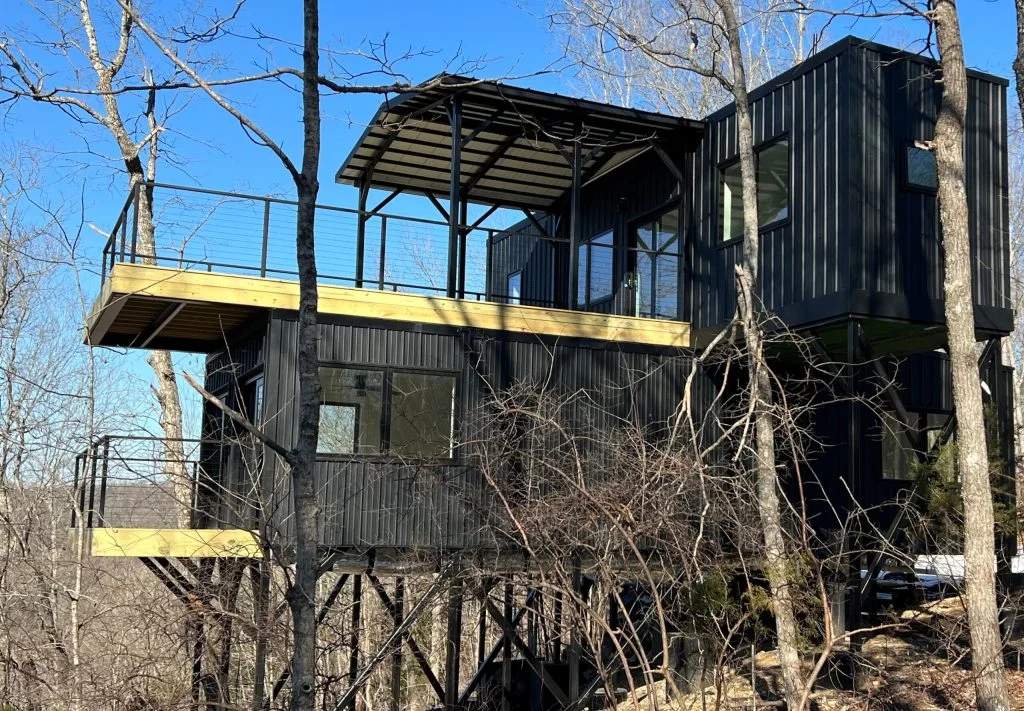
Consider the setting as well as the recreation
A lake community is not automatically the best fit for every retiree. Some buyers may prefer a location closer to healthcare, daily shopping, cultural events, or family. Others may place greater value on privacy, forest views, outdoor living, and a slower pace. The Preserve is a vacation-home and hospitality community, not an assisted-living or healthcare provider, and it is not presented as age-restricted housing. Those distinctions matter when comparing locations for a future retirement transition or a second home.
Before buying, visit in more than one season. Test the drive to the services you expect to use and consider how the property will function when you are not there. A clear view of those tradeoffs can help you judge whether lake access and a quieter setting belong near the top of your list.
Is The Preserve a fit for retirement or a second home?
The Preserve may suit buyers who want a modern vacation home that could support a future lifestyle transition. It should not be confused with assisted living, an age-restricted retirement community, or a development with on-site healthcare. It is a vacation-home community in Celina, Clay County, set across 520 wooded acres. That distinction matters: the right question is not whether it provides retirement services, but whether its setting, design, access, and ownership model fit the way you expect to live.
For some buyers, the appeal is a quieter base near nature rather than a conventional subdivision. The community is about nine minutes from Dale Hollow Lake and approximately 1 hour 45 minutes from Nashville. That creates a practical balance for weekend use, extended stays, or a second home within reach of a regional city. You can also explore living near Dale Hollow Lake to understand the broader setting before deciding whether the area matches your daily needs.
Compare available home models before you decide whether the design and scale fit your plans.
Design and privacy can shape the decision
The Preserve is positioned around modern, architect-designed homes, wooded privacy, treetop or valley views, and outdoor living. Listed models include 640, 1,160, and 1,600 square feet, subject to current specifications and availability. For a couple seeking a lower-maintenance retreat, a smaller model may be appealing. Buyers planning longer stays, frequent guests, or a future full-time move may need to assess storage, sleeping arrangements, workspace, accessibility, and the effort required to maintain the property.
Use flexibility is another consideration. A second home can be a personal retreat, a place for family gatherings, or a property used differently over time. However, do not assume rental income, occupancy, appreciation, or investment returns. Review the actual ownership documents, community rules, insurance requirements, maintenance responsibilities, and any rental policies before making a financial decision.
Complete local due diligence
Visit at different times of year and test the routes you would use for groceries, healthcare, errands, and visits with family. Confirm internet performance at the specific home, ask how emergency services are accessed, and evaluate whether the drive to the lake and Nashville works for your routine. If your goal is one of the best places to retire in Tennessee for daily living, compare those practical details with your preferred cities or towns. The Preserve may be a strong fit for a nature-forward second home, but the final decision should be grounded in your own long-term needs.
What are the tradeoffs of retiring in Tennessee?
Tennessee can offer a quieter, nature-oriented lifestyle, but the right fit depends on what you need every week, not only what looks appealing during a weekend visit. Before choosing among the best places to retire in Tennessee, weigh the practical compromises alongside scenery, recreation, and housing style.
Distance, driving, and everyday access
Many attractive lake and rural settings require a car for groceries, appointments, dining, and social activities. That may be a comfortable tradeoff for buyers who value privacy, wooded surroundings, and room to enjoy the outdoors. It can feel less convenient if you want walkable errands, frequent public transportation, or family members nearby. Map normal routes during a visit, including evening and weekend drives, rather than judging access from a single trip.
Healthcare planning deserves particular attention. A prospective resident should identify the hospitals, specialists, pharmacies, urgent-care facilities, and emergency routes that would serve the household. A vacation-home community or rural neighborhood is not automatically a healthcare or assisted-living setting. Confirm which services are realistically accessible for both current needs and possible future changes.
Weather, upkeep, and ownership responsibilities
Seasonal weather can shape daily comfort, travel, landscaping, exterior maintenance, and insurance needs. Ask how a property handles heavy rain, storms, humidity, fallen leaves, winter conditions, and extended periods when the home is unoccupied. A wooded or lake-area setting may be rewarding, but it can also require more planning for access, utilities, exterior surfaces, and routine upkeep than a low-maintenance urban residence.
Insurance deserves its own conversation. Obtain current quotes for the specific property and ask what exclusions, deductibles, water-related coverage, storm provisions, and vacant-home rules may apply. Do not assume that a nearby lake means the same risk profile as a lakefront property, or that a standard homeowners policy covers every intended use.
Taxes, residency, and family priorities
Tennessee Department of Revenue guidance says Social Security, pension income, IRA distributions, and 401(k) distributions are not subject to Tennessee individual income tax. Review the current guidance directly, and consult a qualified tax professional before changing domicile. Buying a second home does not, by itself, establish tax residency, and residency can affect more than state income tax.
Finally, consider how often you expect to see family and who will help with transportation, maintenance, or future care. A setting such as Celina may suit someone seeking a quieter base near Dale Hollow Lake, while another buyer may reasonably prioritize a larger city and shorter access to relatives. The best decision is the one whose tradeoffs remain manageable after the scenery becomes familiar.
How can you compare Tennessee retirement locations before buying?
A thoughtful visit should test more than scenery. Use the same checklist in each location, record what you learn, and separate verified facts from assumptions about future needs.
- Map your healthcare route. Identify the hospitals, primary-care practices, specialists, pharmacies, urgent-care options, and emergency routes you would actually use. Ask how long the drive takes at different times and whether your insurance network applies. A beautiful setting is not a substitute for a workable care plan.
- Test everyday services and family access. Locate groceries, banking, hardware stores, restaurants, fitness options, and other regular errands. Then estimate the practical travel time to children, grandchildren, airports, or a larger city. A community near Dale Hollow Lake, for example, should be evaluated both for its quiet setting and for the drives required beyond it. The Preserve’s nearby amenities around Celina are worth reviewing alongside an in-person visit.
- Build a complete property budget. Look beyond the purchase figure. Request current information on property taxes, insurance, utilities, internet, maintenance, landscaping, road access, and any community or association charges. Ask how the home and land should be maintained through every season. Do not rely on a general claim that one Tennessee location is inexpensive.
- Review taxes with a qualified professional. The Tennessee Department of Revenue says Social Security, pension income, and distributions from IRAs and 401(k) plans are not subject to Tennessee individual income tax. Review the current rules at the Tennessee Department of Revenue, then ask a tax professional about your specific income, residency, property, and federal circumstances.
- Confirm connectivity and utilities. Check internet speed at the property, not just the marketing description, and ask about backup options. Verify electric, water, wastewater, trash, cell service, road conditions, and outage response. These details matter more when a location is wooded or outside a major city.
- Read the community rules and insurance terms. Request the governing documents before committing. Confirm rules for exterior changes, pets, parking, guests, rentals, maintenance responsibilities, and shared areas. Have an insurance professional review coverage, exclusions, deductibles, and any factors tied to the site’s location.
- Match the home model to your real life. Consider stairs, storage, guests, work space, outdoor areas, aging-in-place needs, and how often you will use the home. The Preserve is a vacation-home community near Dale Hollow Lake, not an assisted-living or healthcare provider. Compare the listed home models and verify current specifications and availability before making a decision.
Finally, visit more than once if possible. A weekday, a weekend, and a different season can reveal traffic, noise, weather, service availability, and upkeep demands that a single tour may miss.
Frequently Asked Questions
What is the best place to retire in Tennessee for taxes?
There is no single best answer for every buyer, but Tennessee can be attractive because Social Security, pension income, and distributions from IRAs and 401(k) plans are not subject to Tennessee individual income tax, according to the Tennessee Department of Revenue. Compare property taxes, sales taxes, insurance, healthcare, and your complete income picture with a qualified tax professional.
What part of Tennessee has the best year-round weather?
Weather preferences vary, so evaluate each location across all four seasons rather than relying on a statewide ranking. Consider heat, winter conditions, storm exposure, humidity, terrain, and how much driving you want to do in poor weather. A visit during more than one season can reveal tradeoffs that a short vacation does not.
What are the drawbacks of retiring in Tennessee?
Potential drawbacks include being farther from family, relying more heavily on a car in smaller communities, and having fewer nearby services than you might find in a major metro. Rural or lake-area buyers should also confirm healthcare routes, internet availability, insurance needs, maintenance responsibilities, and the practical distance to everyday shopping before buying.
Is a lake community a good fit for retirement?
It may be a strong fit if you value wooded surroundings, outdoor recreation, privacy, and a home that can support a primary or second-home lifestyle. Dale Hollow Lake offers fishing, boating, canoeing, hiking, and other recreation, according to the U.S. Army Corps of Engineers. The Preserve is a lake-area community in Celina, not an assisted-living facility or lakefront development, so buyers should assess access, services, and home-model fit carefully.
Ready to Compare a Dale Hollow Lake Option?
If a wooded setting, modern home design, and access to outdoor recreation fit your plans, The Preserve may be worth evaluating as a second-home or retirement-lifestyle option. Compare the available home models and consider how each one fits your intended use, travel patterns, and long-term priorities. Compare The Preserve home models, or call 615-308-3327 to schedule a tour or contact the team.