
Dale Hollow Lake sits on the Tennessee-Kentucky border as the undisputed Smallmouth Capital of the World. This 27,700-acre reservoir holds six of the ten largest smallmouth bass ever caught, including the all-tackle world record — an 11-pound, 15-ounce giant landed by David Hayes in 1955. Anglers here routinely catch 20 to 40 smallmouth in a single day during peak seasons, with many weighing 3 to 5 pounds and trophy-class fish over 20 inches a regular occurrence.
Ready to chase trophy smallmouth on Dale Hollow Lake? Contact The Preserve at Dale Hollow to plan your stay just minutes from the best fishing on the lake.
Smallmouth bass fishing dale hollow lake offers the best trophy smallmouth opportunity in North America. The lake’s deep, clear water, rocky habitat, and abundant forage create ideal conditions for growing giant bronze-backs. Whether you target spring pre-spawn staging areas, work deep ledges through the summer heat, or jig cold-water fish in 50 feet during winter, this fishery delivers consistent action and world-class size potential. Located just 9 minutes from Celina, Tennessee, and 2 hours from Nashville, Dale Hollow combines trophy-caliber fishing with easy access. It is one of the few places where a 5-pound smallmouth is a realistic daily expectation, not a once-in-a-lifetime fish.
This guide covers everything you need to know for your trip. It includes the lake’s legendary history and world records. A season-by-season calendar helps plan your trips. You will find proven techniques from local pros, the best fishing hot spots and access points, current regulations that protect this world-class fishery, and tips for planning your perfect Dale Hollow fishing adventure.
What Makes Dale Hollow Lake the Smallmouth Capital of the World?
Dale Hollow Lake earned its title as the Smallmouth Capital of the World by producing six of the ten largest smallmouth bass ever recorded, including the current IGFA all-tackle world record. The lake’s deep, clear water, rocky habitat, and abundant forage create a perfect environment for growing trophy-class smallmouth that regularly exceed 20 inches and 5 pounds.
Dale Hollow Lake holds a special place in the history of freshwater fishing. Known as the Smallmouth Capital of the World, this clear lake on the Tennessee and Kentucky border is famous for producing huge fish. Anglers from all over visit these waters to test their skills against the strongest bass in the lake. The deep, rocky habitat provides the best setting for smallmouth to grow to sizes rarely seen in other spots.
A World Record History
The most famous event in the lake’s history took place in 1955. David Hayes caught a smallmouth bass that weighed 11 pounds and 15 ounces, which remains the official world record today. This catch made the lake a top goal for trophy hunters. The fish was about 12 years old, showing how well the bass can live in these cool, deep waters over a long time.
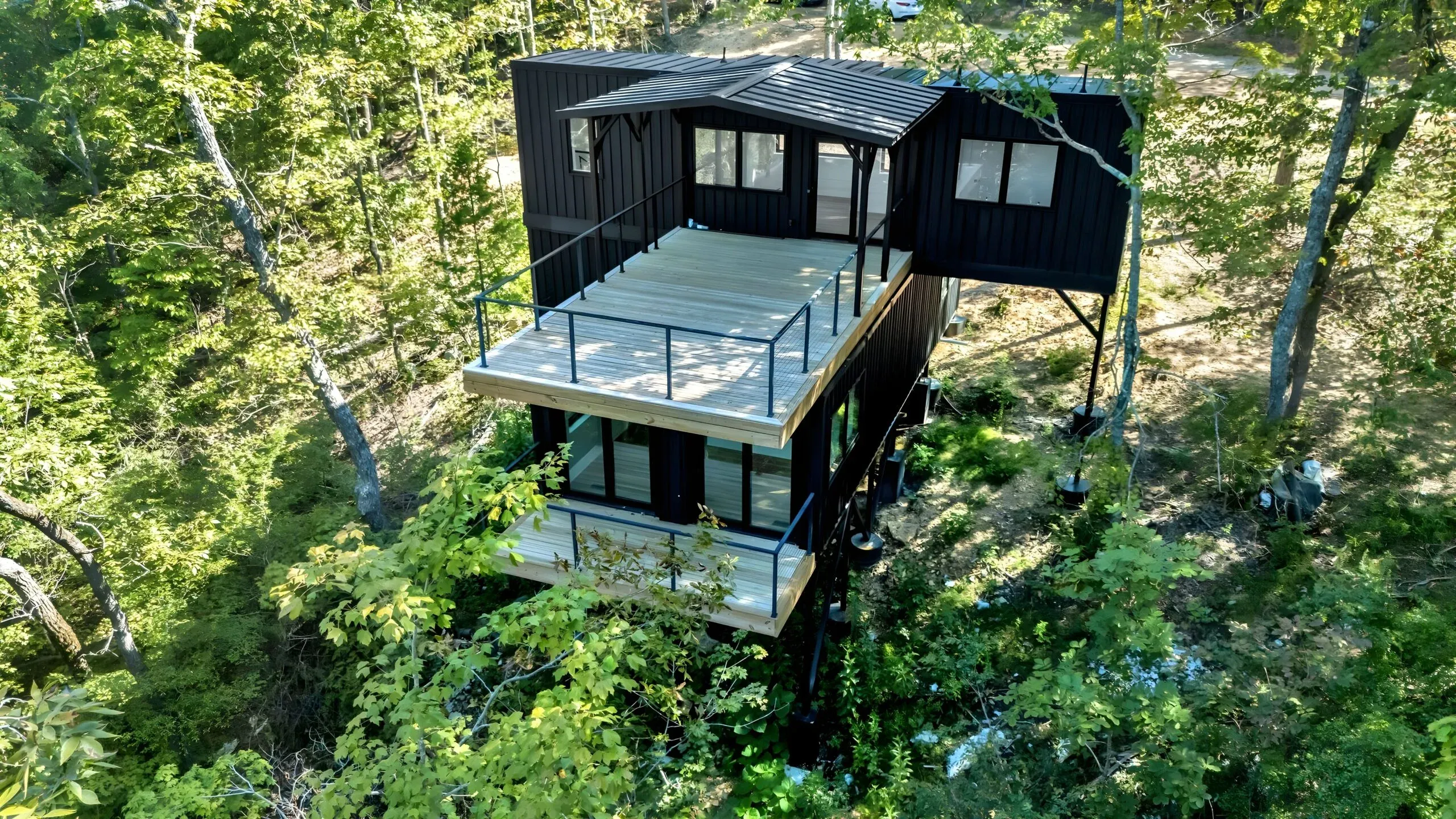
This record is not just one lucky catch. Dale Hollow Lake has produced six of the top ten largest smallmouth bass ever caught. The mix of clean water and rich food like shad and crawfish helps the fish reach big weights. For those who want to plan a fishing trip to Dale Hollow Lake while chasing a trophy, reach out to The Preserve to learn about available vacation home stays near the best boat ramps. When you are not on the water, explore the experiences and amenities for visitors at The Preserve at Dale Hollow.
Consistent Fishing Success
While the giant fish get the most talk, the lake also offers high numbers for every angler. During peak times in the spring and fall, people often report catching 20 to 40 smallmouth bass in a single day. This high catch rate makes it a favorite spot for both pros and new fishers. The lake’s 620 miles of shoreline give plenty of room to find a quiet spot and enjoy the water.
To keep the lake healthy, local rules protect the bass. There is a length limit that means anglers must release most fish between 16 and 21 inches. These rules help make sure that the next group of huge fish can grow. You can find more facts on these rules at the Tennessee Wildlife Resources Agency website. This care for the lake has kept the fishing good for over 70 years.
When Is the Best Time to Catch Trophy Smallmouth on Dale Hollow?
The best time for smallmouth bass fishing dale hollow lake is during the spring pre-spawn (March-April) when water temperatures reach 52-58 degrees and trophy fish move shallow to feed. A second peak occurs during the fall feed (October-November) when cooling water drives bass to chase shad near the surface. Summer requires night fishing on deep ledges, while winter rewards patient anglers with deep jigging in 30-50 feet of water.
Smallmouth Bass Fishing Dale Hollow Lake changes as the seasons shift. The deep, clear water keeps fish on the move to find food and stay cool. To catch a big fish, you must track these patterns from the first spring warm-up to the cold winter months.
Spring Pre-Spawn Peak
The months of March and April are the best time to target trophy smallmouth bass. As water temps reach 52 to 58 degrees, the fish move out of deep water to find food. They stay near flat spots and gravel banks to feed on crawfish and shad.
This pre-spawn time offers a high catch rate for big fish before they move to shallow areas to spawn. You can check the fishing rules from the state to plan your spring trip. The fish are very active and want to gain weight before they nest.
You can find them in 10 to 15 feet of water near the mouth of creeks. Smallmouth like rocky spots where they can hide and wait for prey. Using a slow bait that looks like a crawfish is a great way to get a bite during this time.
Summer and Fall Transitions
When the lake warms up in June, the bass move to deep ledges and main lake points. They often go down to 20 or 30 feet and stay near submerged timber to find cool spots. During the peak heat, many people fish at night from June to August to find active fish.
The lake is quiet at night, and the big fish come up to hunt near the surface. As fall comes in October and November, a new feeding peak starts. The cooling water brings bass back to the surface to hunt schools of shad.
This fall feed is one of the most exciting times of the year. You can use topwater baits on main lake points or deep crankbaits along creek beds. The fish are strong and feed fast to get ready for the winter.
Winter Deep Water Strategies
Winter fishing is a big part of the sport on this lake. Smallmouth bass do not stop feeding when the ice forms in other states. On this lake, the water stays open, and the fish stay active in the deep.
When the water cools, smallmouth move to depths of 30 to 50 feet. You will often find them on main lake points near schools of bait. Success in the winter relies on slow jigging and using tools like sonar to find deep fish.
The bite is light, so you must be quick to set the hook. This time of year is a staple for local guides who know how to find fish in the deep. It is a slow game, but the fish you catch in the winter are often some of the biggest of the season.
- Target the pre-spawn period in March and April for your best shot at a big catch. One big fish can make the whole trip worth it.
- Fish near spawning flats when the water reaches 52 to 58 degrees to find hungry bass. They hunt for crawfish in these rocky spots.
- Switch to night fishing from June through August to find fish on deep ledges. The lake is calm and the air is cool after the sun goes down.
- Look for topwater action on main lake points during the fall feed in October and November. Bass will strike fast at the top when the shad are near.
- Use slow deep jigging in 30 to 50 feet of water to catch bass during the cold winter months. Keep your bait moving slowly to get a light bite.
| Season | Best Months | Key Depth | Primary Technique | Target Structure |
|---|---|---|---|---|
| Spring Pre-Spawn | March – April | 10 – 15 ft | Finesse jigs, jerkbaits | Spawning flats, creek mouths, and gravel points. |
| Summer | June – August | 20 – 30 ft | Night fishing, deep crankbaits | Main lake ledges and submerged timber. |
| Fall Feed | October – November | 5 – 15 ft | Topwater, swimbaits | Main lake points and creek channel bends. |
| Winter | December – February | 30 – 50 ft | Slow jigging, spoons | Main lake points and deep creek channels. |
Proven Techniques for Catching Smallmouth Bass on Dale Hollow Lake
Slow finesse jigging along rocky bottom and long-pause jerkbait retrieves during spring and fall are top techniques for smallmouth bass fishing dale hollow lake. Forward-facing sonar helps locate suspended fish. Matching the local forage is key. Use crawfish and shad patterns with natural-colored lures and light line setups to improve strike rates in the lake’s clear water.
Fishing the deep, clear water of this lake needs a mix of patience and the right gear. Most anglers focus on rocky banks and gravel zones where crawfish and shad are plentiful. These smallmouth bass use the lake’s steep bluffs and creek paths to move between feeding spots. Because the water is so clear, these fish can see your lure from a long way off. Using light line and natural colors is the best way to get a bite when the sun is high.
Mastering slow bottom tactics
Finesse jigs are a top choice for smallmouth bass fishing dale hollow lake during the cooler months. You should work these lures slowly along the bottom structure to mimic crawfish moving over rocks. The key is to keep the bait in the strike zone as long as you can. Many pros use a football head jig to avoid getting stuck in the thick rock piles that line the floor of the lake. A slow drag with a few short hops often triggers a strike from a wary bass.
Soft swimbaits have also become a go-to tool for covering water. These lures work well when fish are active and looking for shad or alewives. You can fish them at various depths by changing your retrieve speed. When you need a comfortable home base near the best ramps, The Preserve at Dale Hollow offers treetop vacation homes with easy access to the lake.
Using jerkbaits and electronics
Hard jerkbaits are famous for catching big smallmouth in the spring and fall. The trick is to use long pauses that last up to ten or fifteen seconds. This slow style mimics a dying baitfish and gives the bass time to rise from the depths to strike. Medium diving crankbaits that reach seven to twelve feet are also great for hitting the tops of submerged timber or rocky ledges. These lures help you find where the fish are holding before you slow down with other baits.
Modern tools like Live Scope or Active Target have changed how people fish here. These electronics help you see fish in real time as they follow your lure. Many local guides now offer electronics training to help you master these new screens. Seeing how a smallmouth reacts to your bait helps you adjust your style on the fly. This tech is very helpful when fish are spooky or holding in tight groups.
- Slow jigging on deep ledges. Use finesse jigs in thirty to fifty feet of water during the winter months. Move the bait slowly to stay in touch with the bottom.
- Pause your jerkbait retrieves. Give the fish plenty of time to strike by letting your hard bait sit still for ten seconds or more in cold water.
- Target suspended fish with trolling. Use planer boards or downriggers to reach fish holding fifty feet deep in the main lake channels.
- Scan brush piles with electronics. Use forward-facing sonar to find schools of fish hiding in submerged timber or around rocky points.
- Match the local forage colors. Choose lures that look like crawfish or shad, which are the primary food sources for Dale Hollow smallmouth.
Where Are the Best Smallmouth Fishing Hot Spots on Dale Hollow Lake?
The best smallmouth fishing hot spots on Dale Hollow Lake include main lake points with steep drop-offs, creek channel bends near spawning flats, and deep bluff banks where water depth drops rapidly. The lower end of the lake near Celina, Tennessee, offers easy access via multiple public boat ramps and concentrates fish near rocky islands, submerged timber, and old creek beds.
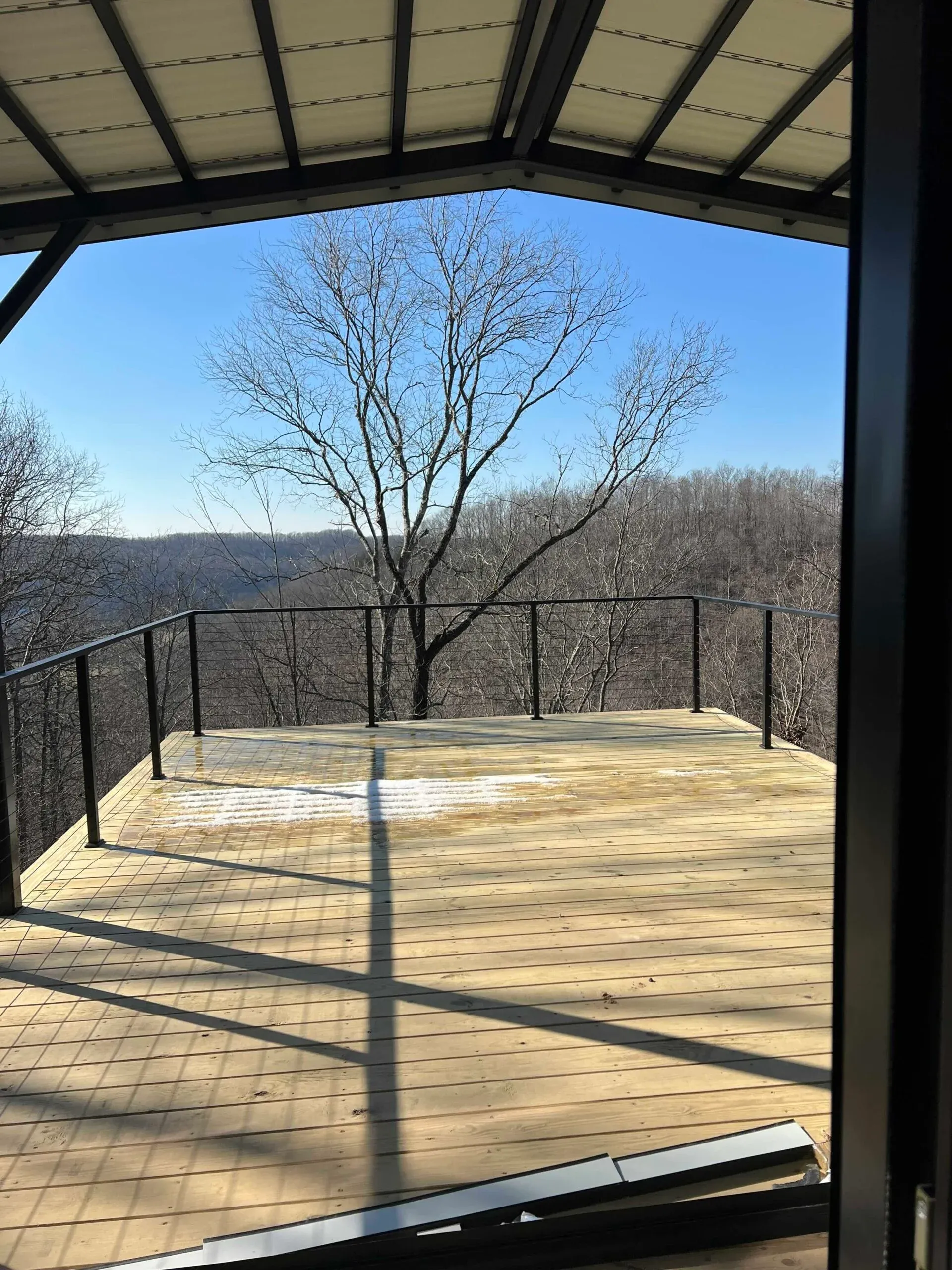
Dale Hollow Lake covers 27,700 surface acres and has 620 miles of shoreline to fish. This clear water lake has many types of cover for smallmouth bass. You will find fish near rocky shores, gravel beds, and islands across the lake. Top anglers focus on specific spots like laydowns, stumps, and old timber where bass hide to hunt for food.
Prime spots for smallmouth bass
Most big smallmouth bass stay near deep water across the main lake. You should fish main lake points and steep bluff banks where the water depth drops fast. These areas let fish move between deep and shallow water as light levels change. Smallmouth also use creek channels as paths to move toward spawning flats during the spring season.
The diet of Dale Hollow smallmouth bass sets their location on the lake. Bass hunt for crawfish near the bottom and chase shad or alewives in open water. Looking for schools of baitfish on your fishing gear will often lead you to the best spots. Rocky islands and long gravel points are also top areas to find fish feeding on crawfish.
Easy lake access and boat ramps
Getting on the water is easy when you stay near Celina, Tennessee. The lake is only nine minutes from the town center, which has gas, food, and bait. There are many public boat ramps that give quick access to the best fishing grounds on the lower end of the lake. These ramps let you reach the main lake points and bluff banks with a short boat ride.
If you plan to fish for many days, you need a good home base. The Preserve at Dale Hollow is a gated treetop vacation home community just 9-10 minutes from local boat ramps. It offers a quiet place to rest between trips while keeping you close to the best smallmouth bass fishing dale hollow lake. You can find help for your move by talking to Dale Hollow Lake real estate experts in the area.
Natural habitat and forage facts
The clear water of Dale Hollow makes it a great place for smallmouth bass to grow. The lake has a high count of quality fish per TWRA fisheries surveys. The deep lake habitat has large areas of old timber and stumps that give cover. Smallmouth bass use these spots to stay out of the sun and wait for crawfish or shad to pass by.
Food is the main thing that keeps the big bass group healthy. Crawfish are a key food source, mostly in the rocky areas of the lake. Shad and alewives also give high protein for the bass to grow large. When you find these baitfish on the edges of islands or creek channels, you are in a prime spot for a big catch.
Smallmouth Bass Regulations and Conservation at Dale Hollow Lake
Dale Hollow Lake enforces a two-fish daily limit for smallmouth bass with a protected length range (PLR) of 16 to 21 inches. Fish within the slot must be released immediately. Anglers may keep one fish under 16 inches and one over 21 inches per day. These conservation rules, established in 2000, protect the core breeding population and maintain the lake’s reputation as a world-class trophy fishery.
Fishing for smallmouth bass at Dale Hollow Lake requires you to follow specific rules. These laws help protect the lake as a top spot for trophy bass. The Tennessee Wildlife Resources Agency (TWRA) sets these limits to keep the fish population healthy for years to come.
Current limits and slot rules
The daily limit for smallmouth bass is two fish per person. Anglers must follow a protected length range (PLR) between 16 and 21 inches. You can keep one fish shorter than 16 inches and one fish longer than 21 inches. This slot limit ensures that mid-sized bass stay in the water to grow larger.
For black bass, which includes smallmouth and largemouth, the total limit is five per day. Only two of those five fish may be smallmouth bass. If you are planning your trip, contact The Preserve at Dale Hollow for local guidance and ask about vacation home availability near the best ramps.
Understanding the protected length range
The 16 to 21 inch protected length range (PLR) is the most important rule to know. Fish within this slot must be released immediately. This regulation targets the core breeding population that maintains the lake’s exceptional genetics and growth rates. Since the slot limit was put in place in 2000, Dale Hollow has maintained its reputation as the Smallmouth Capital of the World while many other trophy fisheries have declined.
You can keep one fish under 16 inches (typically a younger, faster-growing male) and one fish over 21 inches (a true trophy). The daily aggregate limit for black bass is five fish total, with only two of those allowed to be smallmouth. Largemouth bass have a separate 15 inch minimum length, and spotted bass have no length limit.
Additional species regulations
Dale Hollow Lake supports a diverse fishery with specific rules for other species. Walleye have a five fish daily limit with a 16 inch minimum — only one walleye over 20 inches may be harvested. Crappie limits are 15 per day with a 10 inch minimum. Catfish have no creel limit for fish 34 inches and under — only one catfish over 34 inches may be kept per day.
Muskellunge are strictly regulated at one fish per day with a 50 inch minimum length. Trout have a seven fish daily limit with no minimum size. Rock bass and redear sunfish are limited to 20 per day each. Bluegill, warmouth, and other sunfish have no creel or length limits at all.
History of lake conservation
State officials set the slot limit in 2000 to save the trophy fishery. Before this change, the lake saw a drop in the count of large bass. By shielding the 16 to 21-inch fish, the lake now grows big bass more often. This move helped the lake keep its name as a world-class spot for smallmouth bass fishing that Dale Hollow Lake offers to visiting anglers. For more information about the surrounding area and outdoor lifestyle, visit the surroundings page at The Preserve.
Planning Your Dale Hollow Lake Fishing Trip
A successful smallmouth bass fishing trip to Dale Hollow Lake starts with choosing a home base near Celina, Tennessee. The best boat ramps and fishing grounds are within a 10-minute drive from there. The lake sits 2 hours from Nashville and 80 miles from Nashville International Airport (BNA). Hiring a local guide, obtaining a valid TWRA license, and booking a comfortable place to stay are essential steps for a productive trip.
A trip for smallmouth bass fishing dale hollow lake needs careful planning. The lake is in the Upper Cumberland region on the Tennessee and Kentucky border. Most anglers start their trip near Celina, TN, where the lake was first formed in 1943. You can also find supplies and food in nearby towns like Cookeville. If you are flying in, the Nashville International Airport (BNA) is about 80 miles away.
Choosing a base camp
The best trips start with a good home base. The Preserve at Dale Hollow is the perfect base camp for visiting anglers. This gated community is just 9 to 10 minutes from local boat ramps. It sits about 2 hours from Nashville, which makes it easy to reach for a long weekend. You can contact The Preserve to ask about treetop vacation home availability for your fishing trip. These homes offer more privacy than a standard hotel and keep you close to the water. Explore the available home models to find the right size for your group.
Working with a local guide
Hiring a guide can help you find fish faster on this 27,700-acre lake. Experienced pros like Isaac Peavyhouse at Dale Hollow Bass Guide know where the trophy fish hide. Rates often start at $400 for a four-hour trip or $500 for six hours. You can call (615) 308-3327 to check his current dates and times. Many guides also offer courses on how to use new tools like Live Scope or Active Target. These electronics are key for finding fish that stay deep in the clear water.
Travel and logistics
The lake has 620 miles of shoreline and spans six counties in two states. You will need a valid fishing license from the Tennessee Wildlife Resources Agency (TWRA) or the state of Kentucky. You can buy these on the TWRA website before you arrive. Most ramps are open all year, but it is wise to check water levels with the U.S. Army Corps of Engineers. Planning your fuel and ice stops in Celina will save you time once you are on the water.
For specific questions about accommodations and amenities, visit the FAQ page for answers about accommodations at The Preserve.
Frequently Asked Questions
Does Dale Hollow Lake have smallmouth bass?
Yes, Dale Hollow Lake is renowned for its trophy smallmouth bass population. It holds six of the ten largest smallmouth bass ever caught, including the world record, earning it the nickname Smallmouth Capital of the World. The lake’s deep, clear water and rocky habitat create ideal conditions for growing trophy-class fish.
What is the best time of year for smallmouth bass fishing dale hollow lake?
The best time is spring pre-spawn (March-April) when water reaches 52-58 degrees and trophy fish move shallow to feed. The fall feed (October-November) offers a second peak as cooling water pushes bass to chase shad near the surface. Summer night fishing and winter deep jigging also produce consistent results.
What is the world record smallmouth bass caught at Dale Hollow Lake?
The world record smallmouth bass weighed 11 pounds, 15 ounces and was caught by David Hayes at Dale Hollow Lake in 1955. It remains the IGFA all-tackle world record for smallmouth bass and cemented the lake’s reputation as the Smallmouth Capital of the World.
What is the daily limit for smallmouth bass on Dale Hollow Lake?
The daily limit is two smallmouth bass per person with a protected length range (PLR) of 16 to 21 inches. Fish within the slot must be released immediately. Anglers may keep one fish under 16 inches and one over 21 inches per day.
What bait works best for smallmouth bass on Dale Hollow Lake?
Finesse jigs that mimic crawfish are the top choice for smallmouth bass on Dale Hollow Lake, especially during cooler months. Hard jerkbaits with long pauses work well in spring and fall. Soft swimbaits that imitate shad and alewives are effective when fish are actively feeding in open water.
How far is Dale Hollow Lake from Nashville?
Dale Hollow Lake is approximately 2 hours from Nashville by car. Nashville International Airport (BNA) is about 80 miles from the lake, roughly a 1.5-hour drive. The southwest corner of the lake near Celina, Tennessee, offers the closest access from Nashville.
Ready to Experience World-Class Smallmouth Bass Fishing on Dale Hollow Lake?
Smallmouth Bass Fishing Dale Hollow Lake offers an experience that few fisheries in North America can match. Six of the ten largest smallmouth ever caught were in these waters. A well-managed fishery protects the breeding populations, and four distinct seasonal patterns keep the action going year-round. Pair that with easy access from Nashville, public boat ramps just minutes from comfortable lodging, and the expertise of local guides, and you have the recipe for an unforgettable fishing trip.
Ready to book your Dale Hollow Lake fishing adventure? Contact The Preserve at Dale Hollow to ask about our treetop vacation homes and start planning your trip today.